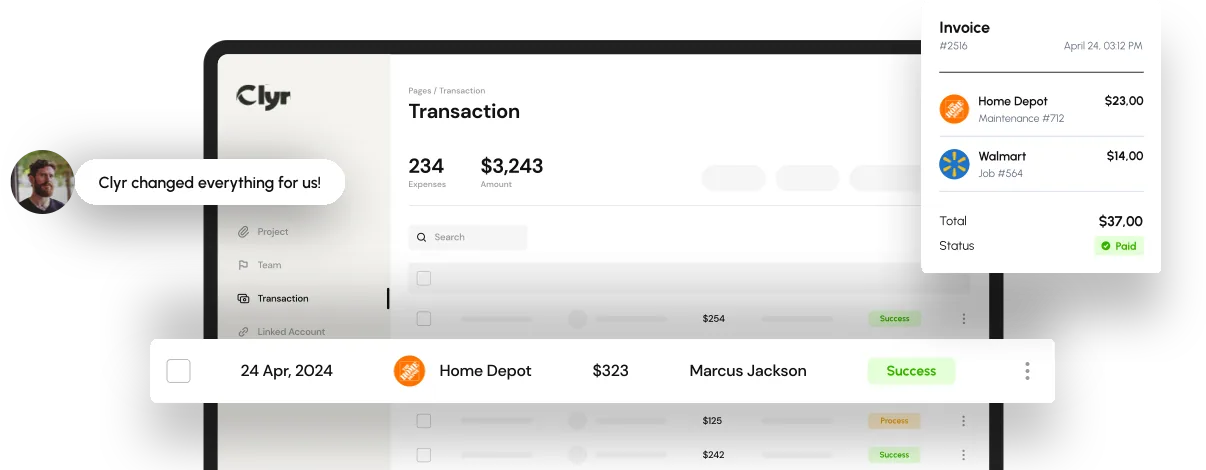

Choosing the perfect expense tracker can feel like finding a needle in a haystack. With so many options available, it’s essential to pinpoint the features that truly matter for your service-based team. You’ll want to evaluate aspects like mobile compatibility and data security.
But how do you guarantee you’re making the right choice? The answer lies in understanding your team’s specific needs and the tools available.
Key Features to Look for in an Expense Tracker

When selecting an expense tracker for service-based teams, evaluating features that enhance functionality and user experience is vital.
First, consider mobile compatibility. Your team needs a solution that works seamlessly across devices, allowing for real-time expense reporting. This flexibility guarantees you can track expenses on the go, which is critical for service professionals.
Next, prioritize data security. Safeguarding sensitive financial information must be a top concern. Look for trackers that offer robust encryption and secure cloud storage, ensuring that your data remains protected from unauthorized access.
Additionally, user-friendly interfaces and customizable reporting features can greatly improve efficiency, helping your team focus on their core tasks rather than getting bogged down by cumbersome processes.
Choose wisely for freedom in managing expenses.
Key Takeaways
- Assess mobile compatibility to enable real-time expense tracking for your service-based team on the go.
- Prioritize integration with existing tools to ensure smooth operations and minimize disruptions.
- Look for robust reporting capabilities that provide tailored insights into spending trends and budgeting.
- Choose user-friendly software to facilitate easy adoption and minimize errors in data entry.
- Conduct regular audits and provide training to maintain data integrity and enhance financial management efficiency.

Advantages of Using an Expense Tracker for Service Professionals
Service professionals can markedly streamline their financial management processes by leveraging an expense tracker.
These tools offer precise expense management, allowing you to categorize and monitor costs in real-time. With automatic data entry features, you’ll save time and reduce the risk of errors, enabling you to focus more on your core services.
Additionally, expense trackers enhance financial transparency, giving you a clear view of your spending patterns and helping you identify areas for improvement. This visibility is essential for budgeting and forecasting, empowering you to make informed decisions.
Ultimately, an effective expense tracker simplifies financial tasks and allows you to concentrate on growing your business and enhancing client relationships.
How to Choose the Right Expense Tracker for Your Team

Selecting the appropriate expense tracker for your team entails assessing important features corresponding to your needs.
To guarantee smooth operations, it’s essential to consider how well the tracker integrates with your existing tools and systems.
Furthermore, conducting a budget and cost analysis will help you identify an option that offers the best value for your team’s requirements.
Key Features to Consider
Understanding key features that directly impact efficiency and usability is key to selecting the right expense tracker for your service-based team.
You should prioritize mobile app functionality to guarantee your team can track expenses on the go, eliminating reporting delays.
Look for tools that facilitate real-time collaboration, allowing team members to share insights and updates seamlessly. This feature fosters transparency and can lead to quicker decision-making.
Additionally, consider customization options that let you tailor the tool to your needs, enhancing user adoption. Evaluate the reporting capabilities as well; a robust system can provide valuable insights into spending patterns.
Integration With Existing Tools
When you’re evaluating an expense tracker for your service-based team, integrating it with your existing tools can greatly enhance its effectiveness.
Look for solutions that offer seamless data synchronization with your current software, like accounting platforms, project management tools, and communication apps.
This guarantees that all your financial information is consistently updated across systems, minimizing errors and saving time.
Additionally, assess tool compatibility; the more compatible the tracker is with your existing ecosystem, the easier it will be for your team to adopt.
A well-integrated expense tracker streamlines workflows and empowers your team to focus on what matters most, ultimately boosting productivity and driving success.
Prioritize these factors in your decision-making process.
Budget and Cost Analysis
Integrating an expense tracker with your existing tools sets the stage for evaluating its budget and cost implications.
Start by evaluating how the tracker aligns with your budget forecasting needs. Look for features that provide real-time insights into spending patterns, enabling you to make informed decisions.
Cost optimization should be a priority. Choose a tracker that minimizes unnecessary expenses while enhancing tracking efficiency. Compare subscription fees and hidden costs to guarantee they fit your financial framework.
Additionally, consider scalability - will it adapt as your team grows? By scrutinizing these factors, you’ll guarantee that your expense tracker meets your immediate needs and supports your long-term financial goals.
Implementing an Expense Tracker: Best Practices
When implementing an expense tracker, defining clear tracking goals that align with your team’s objectives is essential.
Selecting user-friendly software will enhance adoption and guarantee that team members can log and access expense data efficiently.
Additionally, regularly reviewing expenses allows you to identify trends and make informed budgeting decisions.
Define Clear Tracking Goals
To effectively manage expenses within service-based teams, it’s crucial to define clear tracking goals that align with your organization’s financial objectives.
Establishing tracking objectives helps streamline processes and guarantees everyone is on the same page. You can easily gauge progress and make informed decisions by focusing on measurable outcomes.
| Tracking Objective | Measurable Outcome |
|---|---|
| Reduce monthly expenses | 10% decrease in spending |
| Improve budget accuracy | 95% variance accuracy |
| Enhance reporting speed | Reports generated within 24 hours |
| Increase team compliance | 100% adherence to guidelines |
| Boost cost awareness | Monthly training sessions held |
Choose User-Friendly Software
How can you guarantee that your expense tracking is efficient and effective? Start by choosing software with a strong user interface design.
A clean, intuitive layout enhances the user experience, making it easier for you and your team to input and manage expenses.
Look for features that streamline data entry, such as autofill options and mobile compatibility, which allow you to track expenses on the go.
Prioritize software that offers customizable dashboards so you can visualize your expenditures in a way that suits your team’s needs.
Additionally, ensure the software provides easy integration with your existing tools, minimizing disruption.
By focusing on user-friendly software, you’ll empower your team to stay organized and focused on their core tasks, rather than getting bogged down in administrative work.
Regularly Review Expenses
While implementing an expense tracker, regularly reviewing expenses is essential for maintaining financial health.
This process allows you to identify trends, spot discrepancies, and ascertain compliance with budgetary constraints.
Conducting an expense audit at defined intervals helps you maintain oversight and avoid financial pitfalls.
Determine a suitable tracking frequency that aligns with your team’s needs - weekly, monthly, or quarterly - to keep your finances in check.
Common Mistakes to Avoid When Using Expense Trackers
Many teams overlook key aspects when using expense trackers, leading to inaccuracies and inefficiencies.
One common mistake is inaccurate data entry; even a small error can distort your financial picture. It’s essential to guarantee that entries are double-checked for accuracy.
Additionally, a lack of training can hinder your team’s ability to utilize the expense tracker effectively. Without proper understanding, team members may misuse features or fail to input expenses consistently, resulting in lost time and resources.
To maximize the benefits of your expense tracker, provide training sessions and encourage regular audits of entries.
By being aware of these pitfalls, you can foster a more efficient, transparent expense management process that supports your team’s financial freedom.
Evaluating the Success of Your Expense Tracking Solution
What metrics are you using to gauge the effectiveness of your expense tracking solution?
To evaluate its success, focus on key performance indicators such as accuracy, user satisfaction, and time saved on expense reporting.
Accurate tracking minimizes discrepancies, ensuring your data reflects actual spending. User satisfaction can be assessed through feedback - if your team finds the tool intuitive, they’ll use it more effectively.
Accurate tracking reduces discrepancies, while user feedback ensures the tool’s intuitiveness enhances effective usage.
Additionally, measure the time spent on expense management; a robust solution should considerably reduce this. You can also analyze spending trends to identify areas for cost savings.
Conclusion
Selecting the right expense tracker can significantly enhance your team’s efficiency and financial oversight. Importantly, studies show that businesses can save up to 30% on expenses by implementing effective tracking solutions.
You can tailor your approach to meet your team’s specific needs by focusing on key features like mobile compatibility and seamless integration. Remember, a well-chosen expense tracker streamlines processes and empowers your team to concentrate on what truly matters - growing your business.
Frequently Asked Questions
Yes, many expense trackers offer integration capabilities with other financial software. You’ll want to check the software compatibility to guarantee seamless data flow, enhancing financial management without sacrificing flexibility or control over expenses.
Absolutely, you’ll find several mobile apps designed for expense tracking. These apps enhance user experience with mobile features like real-time updates and easy categorization, allowing you to manage your finances effortlessly and gain freedom over expenses.
Your financial data’s security hinges on features like data encryption and user authentication. You can confidently track expenses without compromising sensitive information or sacrificing financial freedom by ensuring these measures are in place.
Expense tracking software typically ranges from free options to paid plans costing $10 to $50 monthly. When you compare software, consider features, scalability, and customer support to find the best fit for your needs.
Sure, because who wouldn’t want to manage their expenses better? Most trackers allow you to customize expense categories, allowing precise category management. Explore those customization options to tailor your financial tracking to your unique needs.