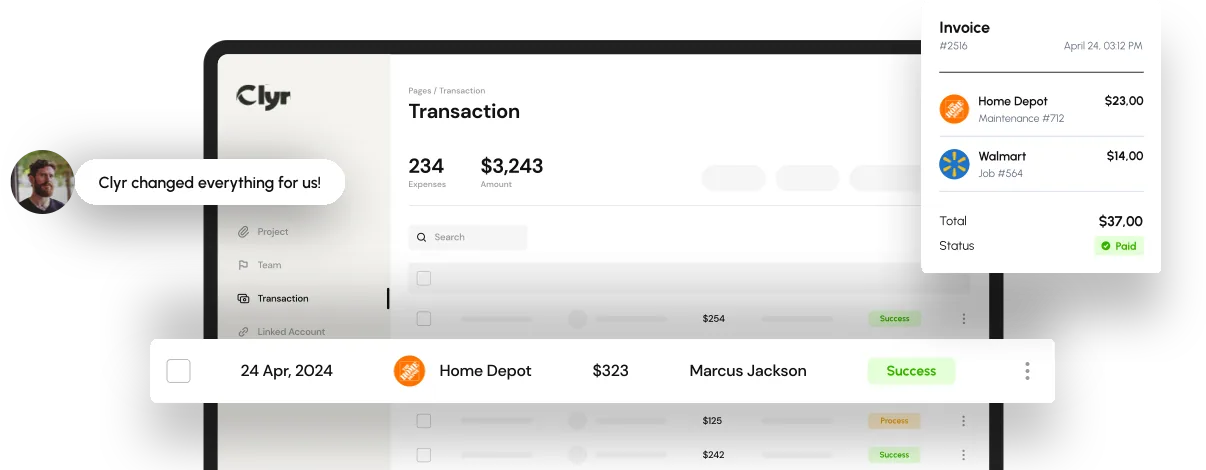
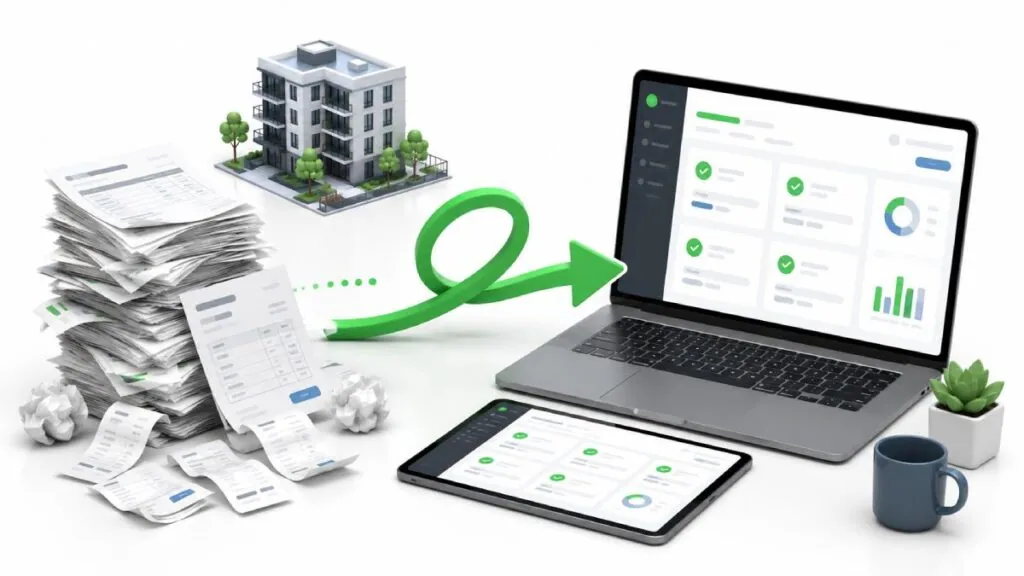
If you’re a property manager staring at a pile of vendor invoices that somehow never match your accounting books, or chasing utility bills that get coded wrong every month, you’re not alone.
I’ve sat across the table from dozens of ops teams in multifamily, single-family rentals, and mixed-use portfolios who are drowning in the same mess.
In 2026, this stuff still eats 10-15 hours a week per 100 units if you’re doing it manually. Here’s the straight story on how to fix it, without the hype.
Why Vendor Invoice Sync Still Breaks Most Property Teams
Manual entry between your property management system and accounting software is a silent killer. One crew member emails a PDF from the field, someone keys it into the PMS, then accounting re-enters it in QuickBooks or Xero. Errors pile up. Reimbursements drag. Audits turn into nightmares.
The real cost shows up in cash flow and staff burnout. Teams I’ve worked with report spending hours every week just reconciling vendor bills and utility charges. Two-way sync fixes that. Data flows in both directions, bills, vendors, payments, and even 1099s, without anyone copying and pasting.
Real-time is what matters now. Batch exports from last year feel like ancient history when your maintenance tech is sitting in a truck waiting on approval.
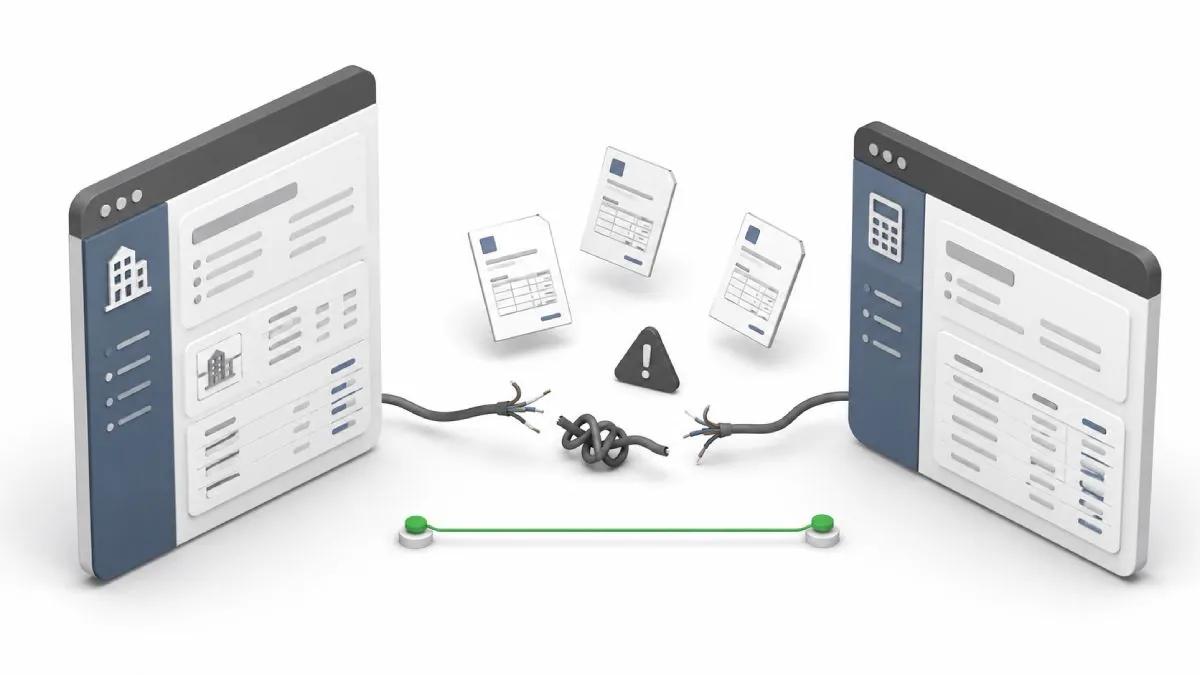
How to Sync Vendor Invoices Between Property Management and Accounting Systems?
Most mid-size portfolios run Buildium, AppFolio, or Yardi as the system of record for operations. Connect that to QuickBooks Online or Xero via native integrations or bridges like Bill.com, AvidXchange, or Zenwork. With Buildium and QuickBooks, for example, vendor bills entered in the PMS flow straight over as accounts payable. Payments made in accounting push back so your PMS stays current. No double entry. Vendor lists stay in sync automatically, including tax IDs for 1099s.
Step-by-Step Setup Checklist
Start simple. Map your data points first: vendor profiles, invoice amounts, GL codes, property/unit tags, and payment status. Then pick tools that actually talk to each other. Verify vendor profiles match across systems. Set up approval workflows in the PMS so field teams can upload via mobile and route instantly. Test a handful of invoices end-to-end before going live. Schedule nightly syncs if your integration isn’t real-time.
Top Tools and Integrations in 2026
The payoff is huge. One operator I know cut reconciliation time from 12 hours a month to under two hours after going bidirectional. Errors dropped dramatically because the data only lives in one place at a time.
If you run Buildium, see how Buildium integration handles this exact flow. For broader expense capture from the field, real-time receipt capture makes vendor uploads automatic.
Best Practices for Integrating Utility Billing and Expense Tracking in Property Management
Utility bills are the wildcard; different portals, different formats, and they hit every property differently. Centralize capture first. Stop logging into six utility websites manually.
Automate the boring parts: bill download, OCR for amounts and dates, auto-coding to the right property and expense category. Tie it straight into job costing so you see true profitability per unit or building. Track usage trends month over month. Spot leaks or spikes before they kill your NOI.
Why One Dashboard Changes Everything
Data beats guesswork. Teams using analytics now forecast next quarter’s utility spend with scary accuracy.
They also catch overbilling from providers faster. The key is one dashboard that feeds both your PMS and accounting, no spreadsheets left behind. If utility bills are a regular headache, dedicated utility bill management tools can pull everything in automatically and push it straight to accounting.
How to Handle Utility Billing and Expense Sharing in Property Management?
This is where most teams lose money and goodwill. You have four main models in 2026: submetering, RUBS (ratio utility billing by square footage or occupancy), inclusive rent with allowances, and resident billing (property pays the master bill, tenants reimburse the PM directly).
The Four Main Billing Models Compared
Resident billing wins on cash flow. Property pays the utility once, then recoups from tenants in 30 days instead of waiting 105 days through a third-party biller. Tenants get one statement with rent plus utilities. Disputes drop when the math is transparent.
RUBS is cheap and fast to implement, no meter installs, but tenants sometimes push back if they feel it’s unfair. Submetering gives precise usage data and cuts waste by 20-40% in many buildings, but the upfront cost and maintenance add up.
Pick based on your portfolio. Multifamily with high turnover? Lean toward resident billing. Older buildings without easy submeter access? RUBS works fine if you document the formula clearly in leases. For deeper dives into these options, check this Entrata guide on RUBS vs submetering or the practical breakdown from DoorLoop on rental property utility billing.
Communicate early and often. Share the allocation method in the lease, explain it at move-in, and give tenants simple conservation tips.
Fair-share math that holds up in audits is non-negotiable, stick to industry-standard formulas, and keep occupancy data current.
Property managers on Reddit often share the same pain points around vendor invoices and utilities. Here’s a recent thread from the Bookkeeping subreddit that echoes exactly what I hear in the field.
Comparison Table: Manual vs Automated Sync & Billing
| Aspect | Manual Process | Automated Sync & Billing |
| Time per 100 units/month | 10-15 hours | 1-2 hours |
| Error rate | 8-12% (double entry mistakes) | Under 2% |
| Cash-flow recoupment | 90-120 days for utilities | 30 days with resident billing |
| Audit readiness | Scattered PDFs and spreadsheets | Full digital trail, one source of truth |
| Field team experience | Email PDFs, chase approvals | Mobile upload → instant coding & sync |
These numbers come straight from operator reports and integration case studies I’ve reviewed this year. The gap is real.
What This Looks Like in Real Portfolios Right Now
Take a 250-unit multifamily operator in Texas that I worked with last quarter. They were using spreadsheets for utility allocation and manual vendor entry.
Switched to automated capture and resident billing. Utility recoupment jumped, disputes fell 60%, and accounting closed books four days faster every month. Maintenance techs now snap a photo of a receipt from the job site, and it’s coded and synced before they drive away.
Another single-family portfolio using Buildium saw vendor bills flow straight to QuickBooks. No more month-end surprises on profitability.
If you want to tie this into deeper profitability tracking, look at advanced job costing alongside fully automated bill pay. For the bigger picture on property-specific expense tools, the dedicated expense management for property management page breaks it down even further.
Frequently Asked Questions
How to sync vendor invoices between property management and accounting systems?
Map vendors and GL codes once, then use a bidirectional integration like Buildium with QuickBooks or a bridge tool such as Bill.com. Upload via mobile or email, approve in the PMS, and let the sync handle the rest. Test with a few invoices first, then flip the switch. Real-time beats nightly batches every time.
What are the best practices for integrating utility billing and expense tracking in property management?
Centralize bill capture from portals and email. Automate OCR and coding. Feed everything into one dashboard that talks to both your PMS and accounting. Review usage reports monthly for leaks or spikes. Tie it to job costing so you actually know what each property earns after expenses.
How to handle utility billing and expense sharing in property management?
Choose resident billing for the fastest cash flow or RUBS for low-cost allocation. Document the formula in every lease. Send one clear statement with rent plus utilities. Give tenants easy payment options and conservation tips. Keep records audit-ready and communicate changes early; transparency kills disputes before they start.
If your team is still copying invoices between systems or chasing utility portals every month, you don’t have to. We’ve seen this exact mess hundreds of times and know the shortest path out. Drop us a note or book a quick demo, and we’ll show you exactly how it works for your portfolio.