Manual utility bills waste hours. Portals time out, auto pay hides errors, and mismatched units break your books. Clyr automates collection, coding, variance checks, and syncs clean data to your PMS
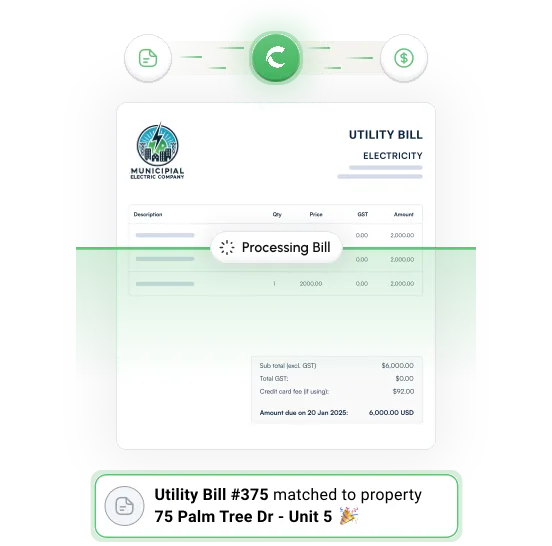
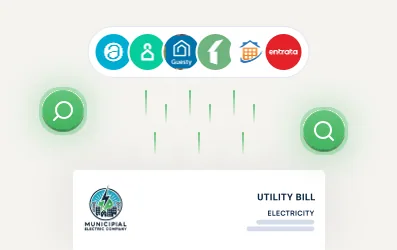
Clyr authenticates to utility portals, downloads bills, and organizes them by property and unit.
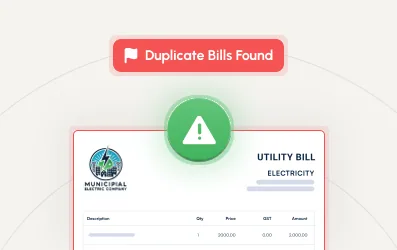
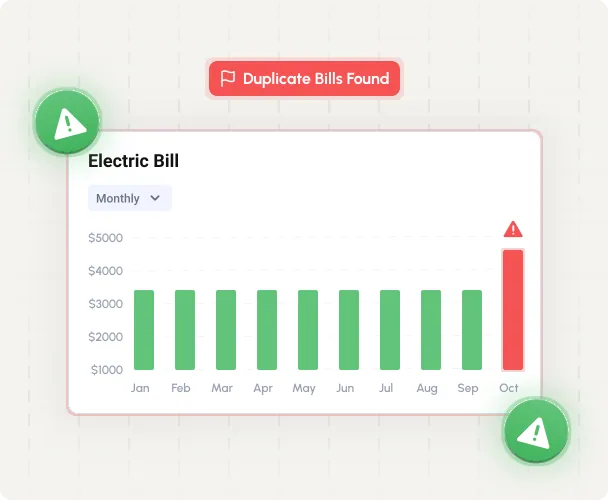
We flag bills that exceed the rolling average for that specific unit, so you catch leaks, seasonal spikes, or vendor mistakes before payment.
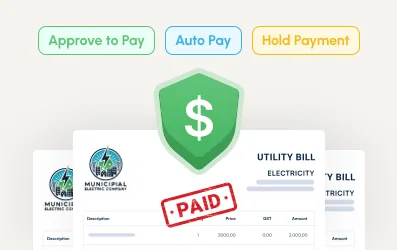
Approve in Clyr for payment. If the account is on auto pay, we detect it and mark the bill as paid to keep AP clean.
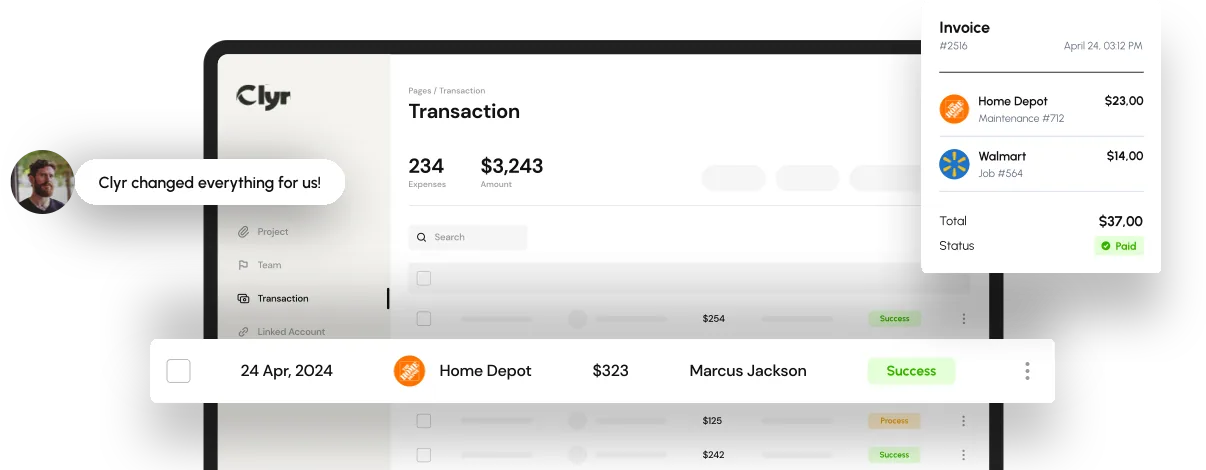
Every bill is coded and matched to the correct unit and property, then pushed into your Property Management System with full line-item detail.
Share read or pay-enabled credentials. We set secure access and fetch new bills daily.
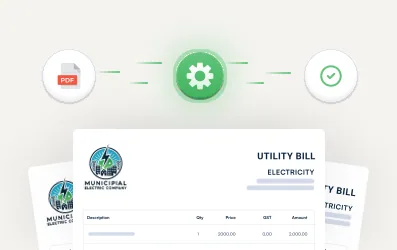
PDFs and statement data are pulled from each utility portal. Due dates and amounts are extracted and normalized.
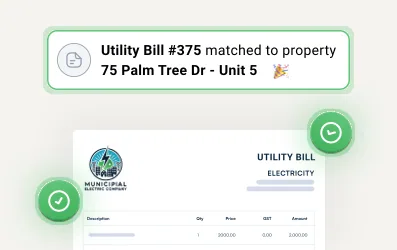
Clyr auto matches bills to the right unit and property using account numbers, service addresses, and your internal mappings.
We compare the charge against the trailing average for that unit. Anything above threshold gets flagged with context.
Select “Approve”, “Hold”, or “Auto-pay set”. Clyr pays approved bills or marks auto-paid bills as paid.
We sync the coded bill with attachments and audit trail into your PMS. Every bill is searchable in Clyr.
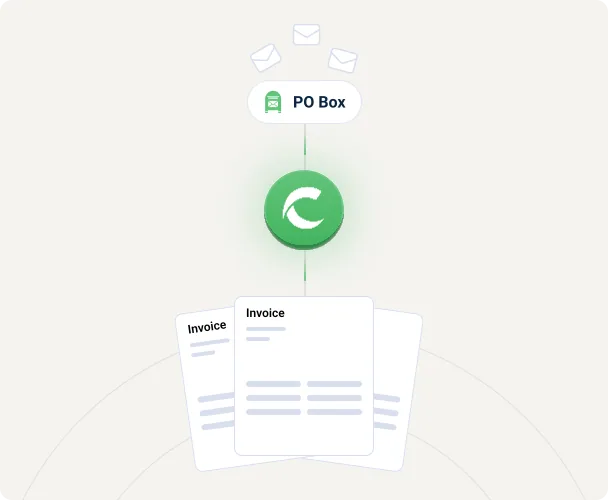
Use our dedicated PO box service. We scan physical utility mail the day it arrives, digitize it, code it, and upload to Clyr already matched to the right unit.
What gets captured:
Catch issues ahead of time:
Clyr's utility bill management software signs in to your utility providers' websites, whatever utilities you pay, and brings every bill into accounts payable. Tell us which utilities you pay and we connect them during onboarding.
Clyr signs in to each utility website on a daily schedule and downloads every new bill PDF. The first connection pulls in your past statements too.
The amount due and the due date come off the bill, and the bill is matched to the right vendor in your vendor list.
Each bill goes into Clyr accounts payable with the PDF attached, through your approval workflow and on to payment.
A property-by-month view shows which bills arrived, which are paid, and which never showed up.
Enter the username and password for the utility website in Clyr. The login is stored encrypted, and you give Clyr explicit authorization to sign in as your agent.
Every day Clyr signs in, downloads any bill PDF it has not seen yet, and keeps the statement history. On the first connection it backfills the bills already posted there.
Clyr reads the amount and due date, files the bill under its utility account, and matches it to the vendor you already pay.
It shows up in AP like any other bill, ready for approval and payment. Credits and $0 statements are logged but stay out of AP.
Under Accounts Payable, the Utilities screen lays out your utility vendors by property and by month. Each cell tells you whether that month's bill arrived, whether it is paid, whether it is missing, or whether it is not due yet.
Not every utility bills monthly. Set each vendor's cycle to monthly, quarterly, semiannual or yearly, and override it for a property that runs on a different schedule. Hide the rows that will never get a bill, and a gap on the screen means a bill worth chasing.
| Property · utility | Jul | Aug | Sep | Oct |
|---|---|---|---|---|
| Maple CourtElectric · monthly | Paid | Paid | Paid | Arrived |
| Riverside FlatsElectric · monthly | Paid | Paid | Missing | Arrived |
| Maple CourtWater and sewer · quarterly | Paid | · | · | Not due yet |
Plenty of utility logins cover a whole portfolio: one username, a long list of service addresses. Clyr keeps the bills separate for each utility account, and you assign each account to a property once. After that, every bill from that account lands on the right property.
A single login with many service locations still gives you one clean bill history per account.
Map each account to its property, and the bill history and AP both follow that mapping.
Some portals email a one-time code at sign-in. Forward those code emails to Clyr and it uses the code to finish signing in.
They are logged in the history and kept out of AP, so nobody approves a bill with nothing to pay.
Clyr looks through the vendors you already have and suggests the ones that are utilities. Track the suggestions that are right, dismiss the rest, and Clyr keeps track of how often each tracked vendor bills. That frequency is how the bill history knows which months should have a bill.
Tracked utility vendors sit with the rest of your vendors in vendor management, and their bills follow the same approval workflows as everything else in bill pay and accounts payable.
Utility bill management for property management means one bill per account per property, every month, across the whole portfolio. See Clyr for property management and our guide to utility bills for property managers.
Shops, yards, branches and job sites each carry their own utility accounts. See Clyr for construction and service companies.
| Feature | |
|---|---|
| Daily Bill Fetch And Re-attempt Logic | |
| OCR And Data Extraction From Pdfs | |
| Unit And Property Auto Match With Confidence Scores | |
| Rolling Average Alerts At Unit Level | |
| Payment Approvals And Pay Execution | |
| Auto Pay Detection And “Mark Paid” | |
| Pms Sync With Attachments And Memo Notes | |
| Full Audit Trail By User, Time, And Action | |
| Mail Scanning Via Po Box Intake | |
| Search By Address, Account Number, Unit, Vendor, Date, Amount |
Don’t See Yours? Ask Us!
More than 1.5M+ people are already preparing for their future
Anything we didn’t answer? Just let us know. Clyr is committed to being the leading Property Management expense management solution.
Yes. Approve in Clyr and we pay through your configured method. If the utility is on auto pay, we detect and mark as paid.
You share read or pay-enabled credentials once. Clyr sets up secure access and fetches new bills daily, pulling the PDF and the statement data, and re-attempting when a portal times out.
Clyr auto matches each bill using account numbers, service addresses, and your internal mappings, and returns a confidence score with the match so anything uncertain is quick to review.
Clyr compares every charge against the trailing average for that specific unit, and anything over your threshold is flagged with context. That is how hidden leaks, rate changes, duplicate or estimated bills, and move-out billing that was never shut off get caught before payment.
Yes, through PO Box Intake. Physical utility mail is scanned the day it arrives, digitized, coded, and uploaded to Clyr already matched to the right unit, capturing the bill image, remit page, account number, service period, due date, total, taxes, and fees.
Every coded bill is pushed into your PMS with full line-item detail, attachments, and memo notes. Clyr supports 20+ property management system integrations, and each bill stays searchable in Clyr by address, account number, unit, vendor, and date.
Every bill carries a full audit trail by user, time, and action, stored alongside the original bill image and remit page, so you can show exactly who approved what and when.
Utility bill management is the work of getting every utility bill in, getting it approved and paid on time, and knowing which bills have not arrived. Clyr automates the collection and runs the rest through accounts payable.
Yes. A utility bill your company owes is a payable like any other vendor bill. In Clyr, collected utility bills land in accounts payable and go through the same approval and payment steps as the rest of your bills.
Encrypted. When you add the login, you give Clyr explicit authorization to sign in to that utility website as your agent.
Clyr signs in to your utility providers' websites, whatever utilities you pay. Tell us which utilities you pay and we connect them during onboarding.
Forward those code emails to Clyr. Clyr uses the code to finish signing in and collects the bills as usual.
Yes. When one login covers many service locations, Clyr keeps the bills separate for each utility account, and you assign each account to a property.
Open Accounts Payable, then Utilities. The bill history shows each utility vendor by property and month, marked arrived, paid, missing or not due yet. Billing cycles can be monthly, quarterly, semiannual or yearly, with overrides for individual properties.
Clyr logs them in the bill history and keeps them out of accounts payable, so nobody has to approve a bill with nothing to pay.
No. Tenant utility billing and RUBS split utility costs and charge them to residents. Clyr's utility bill management is for the utility bills your company pays, from the utility website all the way to payment in accounts payable.