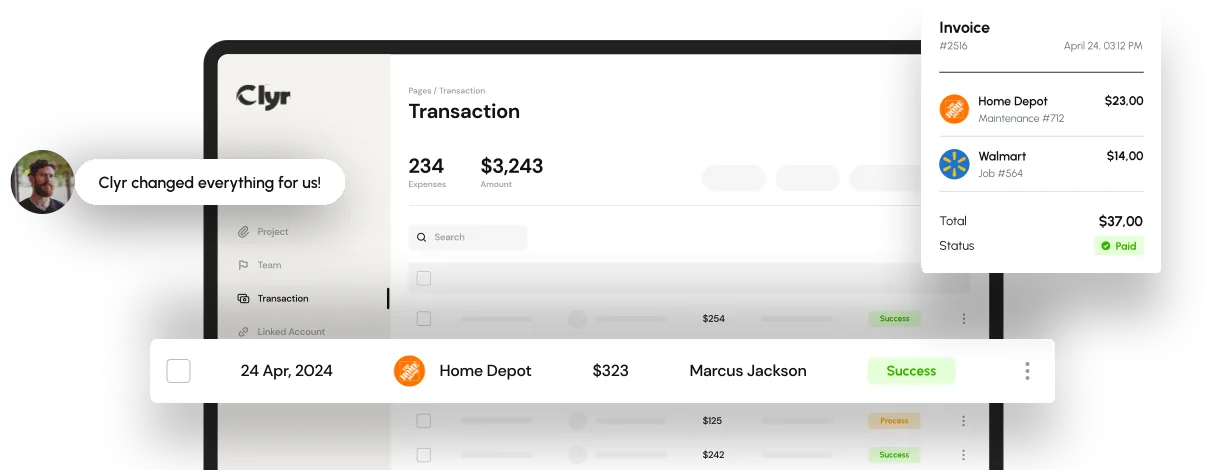
Take Control of Your Finances: Unlock Business Success with an Expense Tracker
 Expenses
Benefits of Expense Tracking for Businesses
Tracking expenses offers numerous advantages, from enhanced financial control to better preparation for tax season.
Enhancing Financial Control
Businesses can gain unparalleled control over their financial operations by documenting every expense. Monitoring expenditures allows companies to promptly identify and eliminate unnecessary costs, ensuring that spending aligns with business goals.
Efficient Financial Management
Maintaining a regular expense tracking regimen can streamline business finances. Tools like Clyr can automate this process, reducing the time spent on manual data entry and error checking.
Preparing for Tax Season
Accurate expense documentation is crucial for a smooth tax season. Businesses can avoid the stress of searching for lost receipts and ensure they take full advantage of all possible tax deductions.
- Business meals
- Telephone and internet expenses
- Travel expenses for client meetings
- Office Supplies
Core Components of a Budgeting Process
Understanding the elements of a comprehensive budget is vital for effective financial management.
Income Sources
Identifying all revenue streams provides a solid foundation for creating a balanced budget. Knowing where your money comes from, from sales to additional income sources, ensures accurate financial planning.
Fixed Costs
Fixed costs, such as monthly bills and subscription services, are predictable and should be evenly integrated into your budget. Tools like Clyr can help automate this process, ensuring everything is noticed.
Variable Expenses
Variable expenses, on the other hand, require more frequent adjustments. These can include marketing expenses, labor costs, and inventory purchases, which fluctuate based on your business needs.
Methods for Tracking Business Expenses
There are several ways to track your business expenses effectively, each offering unique advantages.
Regular Tracking
Consistency is critical in expense tracking. Establish a routine for reviewing and recording your expenses regularly. This habit will help you make timely adjustments and ensure your budget remains accurate.
Categorizing Expenses
Organizing expenses into categories simplifies the tracking process. Whether you divide them into fixed, variable, and one-time costs or necessary and flexible spending, categorization aids in a detailed financial review.
Using Separate Bank Accounts
Separate bank accounts should be used to distinguish personal and business finances. This practice promotes better financial health and simplifies tax filing and reporting.
Adopting Cloud-Based Software
Cloud-based accounting solutions like those offered by Clyr make expense tracking seamless. With features like real-time updates and integration with major accounting platforms, managing your costs becomes hassle-free.
Saving Receipts
Digital tools simplify receipt management. Capture and store receipts electronically to streamline record-keeping and make tax season less stressful.
Why Choose Clyr?
Clyr stands out in expense management by integrating seamlessly with existing systems and offering a user-friendly experience. Here are some compelling reasons to consider Clyr:
Flexibility and Compatibility
Unlike competitors such as Expensify and Concur, Clyr allows users to connect existing cards and accounts, preserving existing benefits and favorable credit cycles.
Automation
Clyr automates the multistep expense tracking process, saving significant time and reducing the risk of human error.
Field Crew Support
Clyr provides real-time notifications and receipt capture tailored for out-of-office teams, enhancing job costing and expense oversight.
Conclusion
Expense tracking is critical for any business aiming to achieve financial success. By regularly recording and reviewing your expenses, you can maintain budget accuracy, be well-prepared for tax season, and make informed financial decisions. Tools like Clyr streamline this process, ensuring you remain focused on what truly matters - growing your business.
FAQs
Documenting every expense gives you control over financial operations rather than a guess at month-end. It surfaces unnecessary costs early enough to cut them, keeps spending aligned with business goals, and leaves you with clean records when tax season arrives.
Three: income sources, so you know exactly where revenue comes from; fixed costs like monthly bills and subscriptions, which are predictable and can be spread evenly across the budget; and variable expenses such as marketing, labor, and inventory, which need frequent adjustment as business needs shift.
Set a regular routine for reviewing and recording expenses, organize them into categories such as fixed, variable, and one-time, keep separate bank accounts for personal and business finances, use cloud-based software that updates in real time, and capture receipts digitally instead of collecting paper.
Business meals, telephone and internet expenses, travel for client meetings, and office supplies are among the most frequently claimed. Accurate documentation is what makes the difference, since a deduction you cannot substantiate is a deduction you lose.
Mixed accounts blur the picture of how the business is actually performing and turn tax filing into a reconstruction exercise. Separate accounts give you a clean view of business financial health and make filing and reporting far simpler.