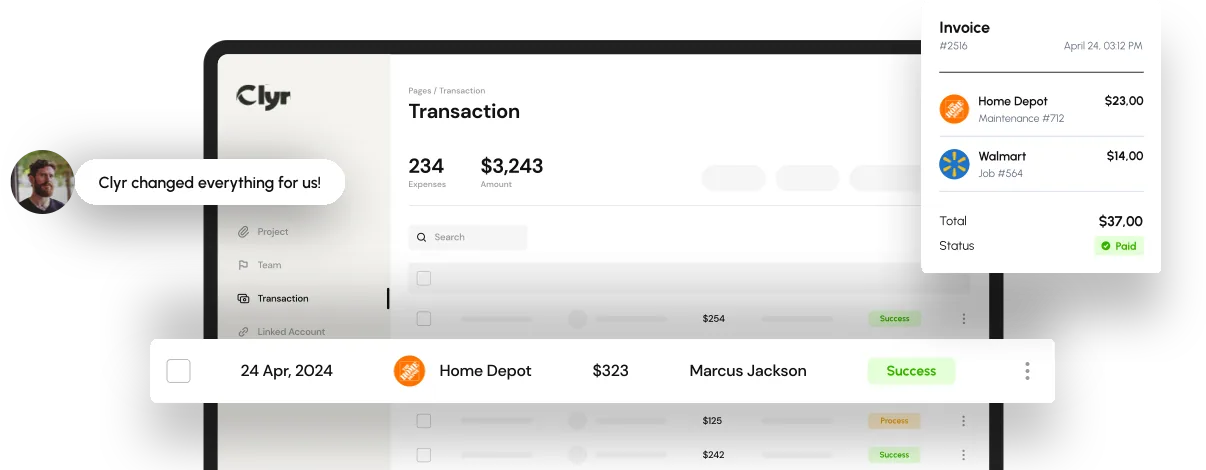

Independent contractors operate in a world where financial clarity is not a luxury, but a necessity. Every expense comes directly out of revenue, every missed receipt can mean lost deductions, and every reporting mistake can create problems later with accountants or tax authorities. This reality is exactly why contractor expense tracking software has become one of the most important tools for freelancers, consultants, and self-employed professionals.
Unlike traditional employees, independent contractors are responsible for managing every financial detail themselves. That includes recording expenses accurately, keeping documentation, and maintaining clear separation between personal and business spending. Without a reliable system in place, expenses quickly become disorganized, incomplete, or forgotten altogether. Over time, this leads to unnecessary stress, poor financial decisions, and reduced profitability.
Key takeaways
- Independent contractors need structured systems to track expenses accurately
- Manual methods increase errors, stress, and missed tax deductions
- Expense tracking software simplifies organization and reporting
- Real-time visibility improves financial control and planning
- Scalable tools support long-term independent work

Why Expense Tracking Is Critical for Independent Contractors
For independent contractors, expense tracking is not just an administrative task. It directly affects net income, tax liability, and long-term sustainability. Every business-related purchase must be documented properly to justify deductions and maintain accurate financial records.
Expenses may include transportation, client meals, subscriptions, tools, insurance, equipment, or home office costs. When these are tracked inconsistently, contractors risk underreporting deductions or overstating income. Contractor expense tracking software provides a structured framework that ensures expenses are captured consistently and categorized correctly throughout the year.
This structure creates financial clarity and reduces the mental load of constantly remembering what needs to be tracked.
The Hidden Cost of Manual Expense Tracking
Many contractors start their careers using spreadsheets, notes apps, or paper receipts. While this may seem manageable at first, manual tracking becomes increasingly unreliable as work volume grows.
Common issues include:
- Receipts that fade, tear, or get lost
- Expenses recorded days or weeks after they occur
- Categories that change over time and create confusion
- Inaccurate totals during tax preparation
Manual tracking also consumes time that could otherwise be spent on billable work. Over a year, even small inefficiencies add up. This is where contractor expense tracking software creates real value by automating repetitive tasks and reducing friction.
What Makes Expense Tracking Software Suitable for Contractors
Not all tools are built with independent professionals in mind. Contractors need simplicity, flexibility, and clarity without enterprise-level complexity.
The most effective expense tracking software for contractors typically includes:
- Fast receipt capture from mobile devices
- Automatic categorization of expenses
- Customizable tags for clients or projects
- Clear summaries and exportable reports
- Easy access to historical records
Good tools support real-world contractor workflows instead of forcing rigid processes that don’t fit independent work patterns.

Real-Time Expense Tracking Improves Accuracy
Recording expenses as they happen significantly improves accuracy. Details are fresh, receipts are accessible, and categorization is easier.
Real-time tracking helps contractors:
- Avoid forgotten expenses
- Maintain complete documentation
- Reduce end-of-month cleanup
With contractor expense tracking software, expenses are captured when context is clear, not reconstructed weeks later from memory. This accuracy becomes especially important during audits or tax reviews.
Better Tax Preparation and Fewer Surprises
Tax season is often the most stressful time of year for independent contractors. Without organized records, preparing returns becomes a time-consuming and error-prone process.
Using structured expense tracking software throughout the year simplifies tax preparation by:
- Keeping expenses categorized consistently
- Storing receipts alongside transactions
Generating clear summaries for accountants
Instead of rushing to organize a year’s worth of data, contractors approach tax season with confidence and control.
Separating Business and Personal Spending
One of the most common challenges for contractors is keeping business expenses separate from personal ones. Mixing the two creates confusion and weakens financial records.
Dedicated contractor expense tracking software helps enforce separation by:
- Clearly marking business-related expenses
- Supporting multiple payment sources
- Allowing notes and documentation for context
This separation protects contractors during audits and improves financial transparency year-round.
Tracking Expenses by Client or Project
Many contractors work with multiple clients at the same time. Without proper tracking, it becomes difficult to understand which projects are truly profitable.
Effective expense tracking software allows contractors to:
- Assign expenses to specific clients
- Track costs by project or contract
- Analyze profitability per engagement
This insight supports smarter pricing, better negotiation, and more informed business decisions.
Supporting Growth Without Administrative Overload
As independent contractors take on more work, administrative complexity increases. More clients mean more expenses, more receipts, and more reporting.
Using contractor expense tracking software allows contractors to scale their workload without increasing administrative stress. Automation ensures consistency even as volume grows, helping contractors remain organized as their business expands.
Financial Visibility Drives Better Decisions
Expense tracking is not just about compliance. It provides insight into spending patterns and business health.
With accurate data, contractors can:
- Identify unnecessary or recurring costs
- Adjust pricing to reflect true expenses
- Plan investments with confidence
Modern expense tracking software turns raw data into actionable information that supports long-term sustainability.
Security, Records, and Professionalism
Independent contractors must manage and protect their own financial data. Reliable systems ensure records are secure, accessible, and organized.
Strong contractor expense tracking software provides:
- Secure data storage
- Clear audit trails
- Long-term record retention
These features support professionalism and reduce risk, especially as contract work becomes more complex.
Choosing the Right Contractor Expense Tracking Tool
The right tool should fit naturally into daily workflows. Contractors should prioritize ease of use, reliability, and reporting quality.
Key considerations include:
- Mobile accessibility
- Speed of expense entry
- Quality of reports
- Compatibility with tax or accounting tools
The best contractor expense tracking software feels like a support system rather than an obligation.
Long-Term Benefits of Structured Expense Management
Over time, disciplined expense tracking creates stability. Contractors gain clarity over income, spending, and profitability.
Using consistent expense tracking software supports better planning, reduces risk, and strengthens financial confidence. These benefits compound year after year, making early adoption a smart long-term investment.
FAQs
Contractor expense tracking software is designed specifically for independent contractors who need to record, categorize, and manage business expenses accurately. It is ideal for freelancers, consultants, and self-employed professionals who are responsible for their own financial reporting and tax documentation.
It keeps expenses organized throughout the year, stores receipts with transactions, and produces reports that simplify tax preparation. This reduces errors, saves time, and helps ensure deductions are fully documented.
Yes. Many tools allow expenses to be tagged by client or project, making it easier to analyze profitability and allocate costs accurately.
Most modern solutions are designed for ease of use. Expense entry is often faster than manual tracking, especially when receipts can be captured immediately via mobile devices.
Poor tracking can lead to missed deductions, higher tax bills, inaccurate financial reporting, and increased stress during audits or tax season.