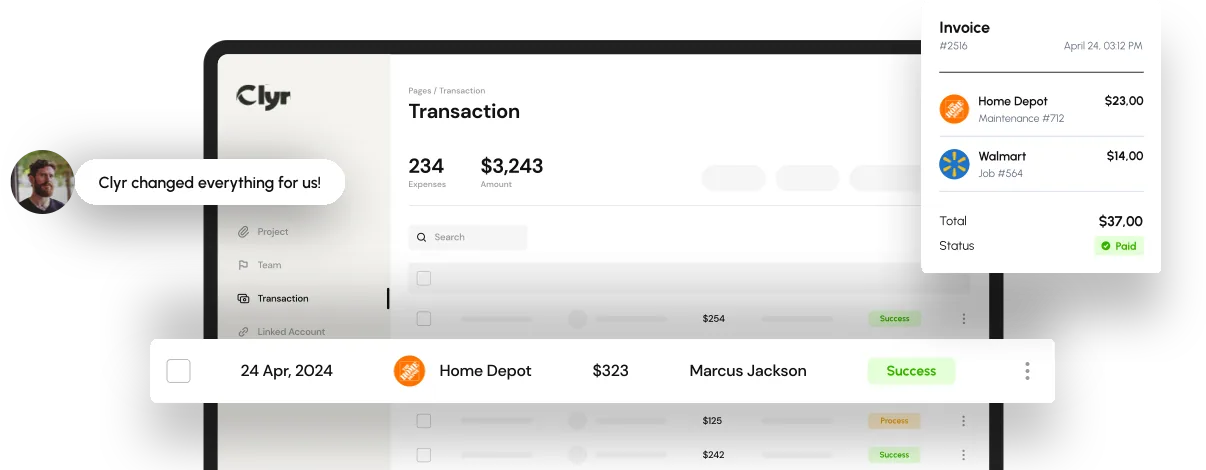

Business travel drives growth and opportunity, but the expenses it generates require careful management. Without an effective system, these costs can spiral while consuming valuable time through manual processes. Today’s organizations need smarter solutions that automate expense tracking, simplify receipt management, and integrate with existing financial systems.
The Evolution of Travel Expense Management
Business travel expense reports serve as financial records documenting every expenditure during corporate trips. These reports go beyond simple reimbursement requests - they’re essential tools for:
- Budget control and financial planning
- Policy compliance verification
- Tax documentation and audit preparation
- Spend analysis for future travel optimization
Common Reimbursable Business Travel Expenses
Typical business travel expenses include:
- Transportation costs - Flights, rental cars, rideshares, taxis, and mileage
- Accommodations - Hotels and lodging expenses
- Meals and entertainment - Business dinners and client meetings
- Communication - Internet access and international phone charges
- Incidentals - Baggage fees, tips, and other small expenses
What previously required paper receipts and spreadsheets can now be managed through digital solutions. The technological progression has evolved from:
Manual Methods → Basic Tracking Software → End-to-End Automation
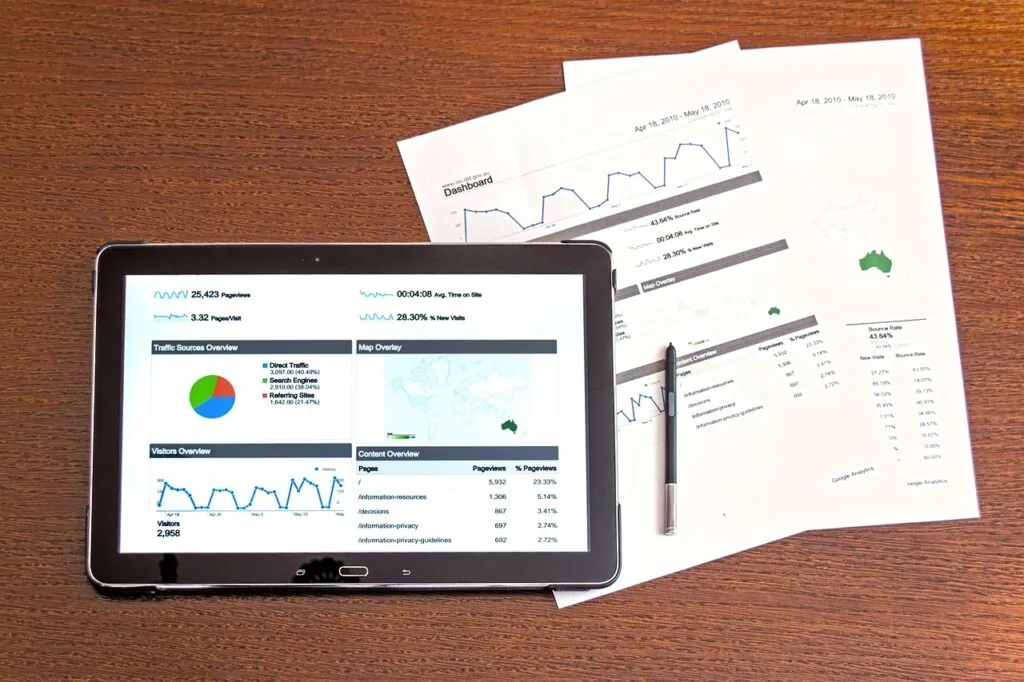
The Challenges of Traditional Expense Management
Traditional expense management creates significant friction in the reimbursement process:
- Time-consuming manual data entry and receipt organization
- Delayed reimbursements creating employee dissatisfaction
- Error-prone processes leading to compliance issues
- Limited visibility into spending patterns
- Difficulty tracking expenses against budgets and projects
These inefficiencies don’t just affect finance teams - they impact every employee who travels for business. The lost productivity and administrative burden represent significant hidden costs beyond the travel expenses themselves.
Automation: Transforming Expense Management
Modern expense management solutions leverage automation to eliminate manual processes. By implementing an automated system, your organization can:
Save time - Reduce processing time by up to 80%, freeing staff for higher-value activities
Increase accuracy - Minimize human error through automated data capture and validation
Improve compliance - Enforce travel policies automatically at the point of expense creation
Enhance visibility - Gain real-time insights into travel spending across departments and projects
Streamline reimbursement - Expedite the approval process and payment to employees
Key Features of Modern Expense Management Solutions
The most effective expense management platforms offer:
Real-Time Receipt Capture and Processing
Employees can instantly capture receipts via mobile devices, with optical character recognition (OCR) technology automatically extracting key data like vendor, date, and amount. This eliminates manual entry and ensures thorough documentation.
Automated Transaction Matching
Transactions from corporate cards can be automatically matched with their corresponding receipts, reducing reconciliation time and increasing accuracy.
Policy Enforcement
Systems can flag out-of-policy expenses before they’re submitted, reducing exceptions and ensuring compliance with company guidelines.
Integration Capabilities
Seamless connections with accounting software, ERP systems, and travel booking tools create a unified financial ecosystem.
Comprehensive Reporting
Detailed analytics provide insights into spending patterns, allowing organizations to negotiate better vendor rates and optimize travel policies.
Maximizing the ROI of Your Expense Management Solution
To get the most from your expense management system:
- Define clear policies - Establish unambiguous guidelines for what is reimbursable
- Train employees thoroughly - Ensure everyone understands how to use the system
- Start with mobile adoption - Focus on making receipt capture simple and immediate
- Leverage automation incrementally - Begin with the most time-consuming processes
- Review analytics regularly - Use data to refine policies and identify savings opportunities
Choosing the Right Platform for Your Business
When evaluating expense management solutions, consider these factors:
- Ease of use - Will employees adopt the system without resistance?
- Integration capabilities - Does it connect with your existing financial systems?
- Customization options - Can it adapt to your specific policies and workflows?
- Mobile functionality - How robust is the mobile experience for traveling employees?
- Support and training - What resources are available to ensure successful implementation?
- Scalability - Will the solution grow with your business?
Industry-Specific Requirements
Different industries have unique expense management needs that must be addressed by tailored solutions:
Construction and Field Services companies require robust job and project cost allocation capabilities to accurately track expenses across multiple sites and projects.
These businesses need systems that can handle material expense tracking with granular detail, enabling them to monitor costs on a per-project basis.
Additionally, equipment-related expenses must be carefully documented to ensure proper maintenance scheduling and cost recovery on client projects.
Professional Services firms face different challenges, particularly around client billable expenses that need to be accurately captured and allocated.
These organizations benefit from solutions that offer time tracking integration, allowing them to connect hours worked with expenses incurred on specific client engagements.
Professional development expenses also require special attention, as these investments in employee growth often have specific tax and reporting requirements.
Property Management businesses need systems that facilitate property-specific expense allocation, enabling precise tracking of costs associated with individual properties in a portfolio.
Maintenance expense tracking is particularly important in this industry, as these costs directly impact property profitability.
Systems must also accommodate tenant-related reimbursables, ensuring that expenses billable to tenants are properly identified, documented, and recovered.
The Future of Business Travel Expense Management
The next generation of expense management solutions will incorporate:
Artificial Intelligence for advanced anomaly detection and expense categorization
Predictive Analytics to forecast travel spending and identify potential savings
Virtual Payment Solutions reducing the need for physical cards while enhancing security
Sustainability Tracking to monitor and report on the environmental impact of business travel
These innovations will further streamline processes while providing deeper insights into travel spending.
Conclusion: From Expense Management to Strategic Advantage
Modern expense management is no longer just about processing reimbursements - it’s about transforming a traditionally cumbersome process into a strategic advantage. By implementing an automated solution, you can:
- Reduce administrative costs
- Improve employee satisfaction
- Enhance financial visibility and control
- Make data-driven decisions about travel policies
- Focus resources on growth rather than paperwork
The right expense management solution doesn’t just save time and money - it fundamentally changes how your organization approaches business travel, turning a necessary cost center into an opportunity for efficiency and insight.
FAQs
Transportation such as flights, rental cars, rideshares, taxis, and mileage; accommodations; meals and entertainment tied to business; communication costs including internet access and international phone charges; and incidentals like baggage fees and tips.
The visible cost is data entry and receipt sorting. The hidden cost is everything around it: delayed reimbursements that frustrate employees, errors that create compliance exposure, no visibility into spending patterns, and difficulty tracking expenses against budgets and projects.
Processing time typically drops by up to 80%. Automated data capture removes the errors that come with typing, policy checks happen at the moment an expense is created rather than weeks later, and approvals and payments move faster.
Real-time receipt capture with OCR extraction, automatic matching of corporate card transactions to receipts, policy enforcement that flags exceptions before submission, integration with your accounting and ERP systems, and reporting detailed enough to renegotiate vendor rates.
Considerably. Construction and field services need job and project cost allocation with material and equipment tracking. Professional services need client billable expenses tied to time tracking. Property management needs expenses allocated per property, with maintenance costs and tenant reimbursables tracked separately.