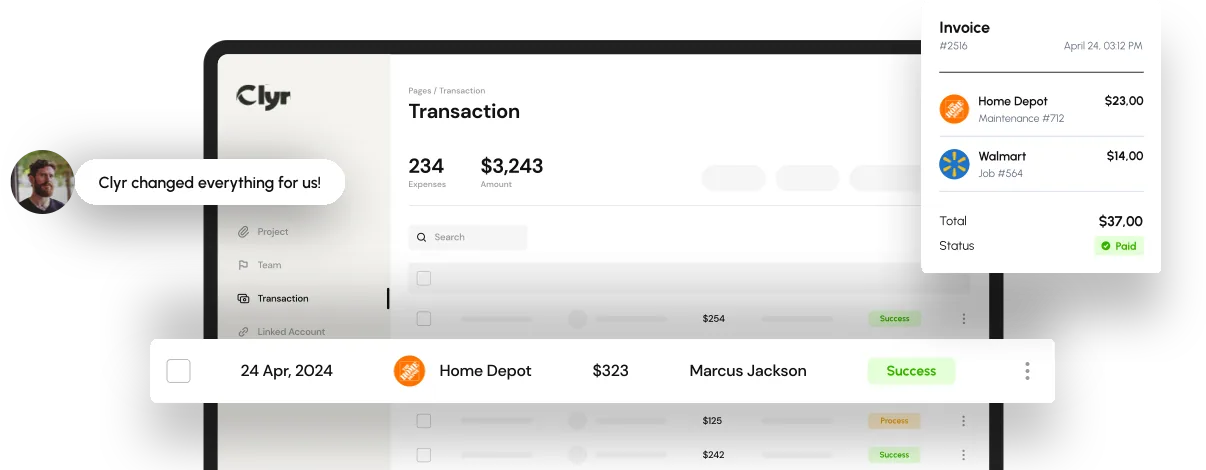

Managing travel and expenses has long been one of the most complex, time-consuming tasks for corporate finance teams. Manual tracking, paper receipts, delayed reimbursements, and fragmented booking systems often lead to inefficiencies and errors. Today, however, travel and expense management automation is changing the landscape, offering businesses a streamlined, data-driven, and user-friendly approach to handling every aspect of corporate travel.
This article explores why automation is becoming essential for organizations, how it simplifies corporate travel booking, and the benefits companies gain by moving away from outdated manual processes.
The Rise of Travel and Expense Management Automation
In recent years, companies across industries have been under pressure to control costs, improve compliance, and deliver better employee experiences. Finance teams that once relied on spreadsheets and manual audits are now embracing travel and expense management automation to gain real-time visibility into spending.
Automation allows businesses to:
- Capture receipts digitally and match them to transactions instantly.
- Integrate travel booking platforms with expense systems.
- Automate approvals based on policy rules.
- Track expenses in real time across departments and projects.
By reducing reliance on manual entry, organizations minimize errors, improve efficiency, and provide employees with faster, smoother reimbursement experiences.
Key Benefits of Travel and Expense Management Automation
The adoption of travel and expense management automation is not just a trend - it’s a strategic advantage. Businesses that have already implemented automated solutions report major improvements in efficiency and financial oversight.
1. Improved Accuracy
Manual data entry is one of the leading causes of errors in expense reporting. Automation ensures receipts are scanned and coded correctly, eliminating discrepancies and ensuring accurate reporting.
2. Enhanced Employee Satisfaction
No employee enjoys spending hours filing reports. Automation speeds up reimbursements, allowing travelers to focus on their work while maintaining financial compliance.
3. Real-Time Expense Tracking
With travel and expense management automation, finance teams have full visibility into spending as it occurs. Real-time alerts allow managers to monitor budgets and spot unusual transactions immediately.
4. Policy Compliance
Automated systems enforce travel and expense policies, flagging non-compliant bookings or out-of-policy expenses. This reduces fraud and ensures adherence to corporate guidelines.
5. Cost Savings
Companies save thousands by reducing manual processing, minimizing human error, and optimizing travel bookings through negotiated rates and data-driven insights.

How Can Automation Simplify Corporate Travel Booking and Expense Management.
Automation integrates travel booking tools directly with expense platforms. When an employee books a flight, hotel, or rental car, the system automatically generates the expense entry, codes it to the correct project or department, and ensures compliance with company policies. Receipts are uploaded instantly via mobile apps or email, reducing the need for paperwork.
Instead of manually consolidating data from different platforms, finance teams benefit from:
- One unified dashboard for all bookings and expenses.
- Automated currency conversions for international trips.
- Instant policy checks at the point of booking.
- Direct integration with accounting systems for faster reconciliation.
The result is a seamless process where travel reservations and expense tracking happen simultaneously, eliminating delays and inaccuracies.

Real-World Applications of Travel and Expense Management Automation
For Large Enterprises
Global corporations often face challenges with cross-border compliance, multiple currencies, and decentralized teams. Automation provides standardized processes, ensuring accuracy and efficiency across regions.
For Mid-Sized Businesses
Companies in growth stages can scale quickly with automation, avoiding the bottlenecks of manual systems. Streamlined approvals and automated reimbursements allow them to maintain agility while controlling costs.
For Remote and Hybrid Teams
With employees working worldwide, travel and expense management automation ensures consistency and transparency regardless of location. Mobile receipt capture, cloud-based platforms, and real-time data access keep everyone aligned.
Common Mistakes to Avoid When Automating Travel and Expense Management
- Ignoring Integration Needs - Choosing a system that doesn’t connect with existing ERP, CRM, or payroll software can create silos.
- Overcomplicating Approval Workflows - Automation should simplify, not add layers of complexity. Keep policies clear and rules engine streamlined.
- Neglecting Employee Training - Adoption depends on how user-friendly the system feels to employees. Provide proper onboarding and support.
- Focusing Only on Cost Savings - While saving money is important, don’t overlook employee satisfaction, compliance, and long-term efficiency gains.
Future Trends in Travel and Expense Management Automation
The future of travel and expense management automation lies in advanced technologies that push efficiency even further:
- AI and Machine Learning - Predictive insights will recommend cost-effective travel options and detect anomalies in expense claims.
- Blockchain Integration - Secure, transparent financial records may soon eliminate fraud and enhance compliance tracking.
- Mobile-First Solutions - Employees will continue to rely on smartphones for one-tap expense submission and instant reimbursements.
- Sustainability Tracking - Automation will help companies measure the carbon footprint of travel and align it with corporate ESG goals.
Expert Tips for Successful Implementation
- Start with a Pilot Program - Test automation with one department before scaling organization-wide.
- Customize Policy Rules - Ensure the system enforces your company’s unique travel and expense policies.
- Leverage Data Analytics - Use automated reporting to identify patterns, negotiate better vendor rates, and forecast travel budgets.
- Choose a Scalable Solution - Pick a platform like Clyr that grows with your business and integrates seamlessly with existing tools.
Conclusion
The shift toward travel and expense management automation reflects a larger trend in digital transformation. Companies that adopt these systems not only save time and money but also gain real-time visibility, improved compliance, and happier employees.
With advanced solutions like Clyr, organizations can automate every aspect of corporate travel booking and expense reporting, ensuring financial accuracy while freeing teams to focus on growth and strategy. For modern businesses, automation is no longer optional - it is the standard for smarter, more efficient travel and expense management.
FAQs About Travel and Expense Management Automation
It is the use of AI-driven tools to streamline corporate travel booking, receipt capture, policy enforcement, and expense reporting
Yes. Automated checks flag non-compliant expenses in real time, helping companies enforce policies consistently
With modern systems like Clyr, employees can continue using their cards while transactions sync automatically.
By reducing manual labor, preventing errors, and optimizing bookings, businesses often save 20-30% in travel and expense costs.
Absolutely. Even small teams benefit from reduced administrative workload and faster reimbursements.