An itemized receipt lists every product or service purchased in a transaction, each with its own description, quantity, and price, along with the vendor name, date, tax, and total. It differs from a basic card slip, which shows only the total charged. Auditors, accountants, and finance teams all rely on itemized receipts to verify what money actually paid for.
If your field crews have ever asked what is an itemized receipt versus the crumpled card slip in their pocket, the difference comes down to detail. One lists every line item; the other just proves a card was charged. Our full guide on what is an itemized receipt breaks the format down further, but the short version below is what actually gets flagged in an audit.
What Information Does an Itemized Receipt Include?
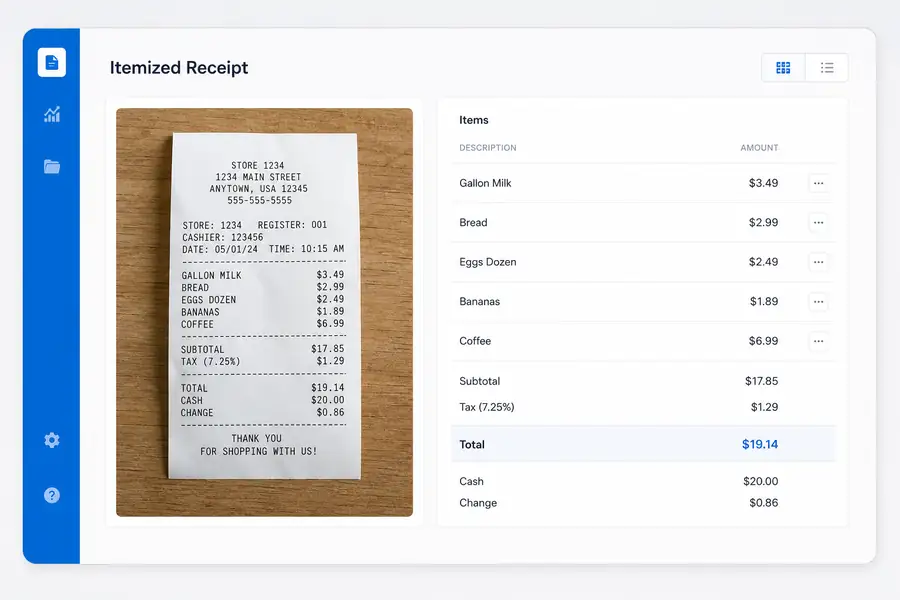
A complete itemized receipt includes six pieces of information: the vendor's name and location, the transaction date, a description of each item or service, the quantity and price per line, the tax charged, and the total paid.
- Vendor name and location: who was paid and where.
- Date of the transaction: when the purchase happened.
- Line items: each product or service listed separately, with a description.
- Quantity and unit price: how many units and what each one cost.
- Tax and total: sales tax applied and the final amount charged.
- Payment method: how the purchase was paid, card, cash, or check.
A gas station pump slip that just says "$62.14, fuel" is not itemized. A hardware store receipt that lists 2x4 lumber, a box of screws, and a roll of tape separately, each with its own price, is. The same rule applies whether the purchase is a $15 lunch or a $2,000 equipment rental.
Why Itemized Receipts Matter for Expense Audits
Itemized receipts matter because they are the only receipt format that proves what was purchased, not just that money changed hands.
Company reimbursement policies and IRS documentation rules both hinge on this distinction: once a purchase crosses a policy's dollar threshold, the record needs to show what was bought, the amount, and the date, not just the total charged. Fail that standard on a larger purchase and the deduction or reimbursement can get disallowed later.
Itemized detail also drives three-way matching, the process of checking a receipt, purchase order, and invoice against each other before a payment gets approved. Without line items, there is nothing to match against. Itemized receipts let accounting teams split a single purchase across multiple GL codes too: the lumber goes to materials, the rental fee goes to equipment, even though both came from the same store run.
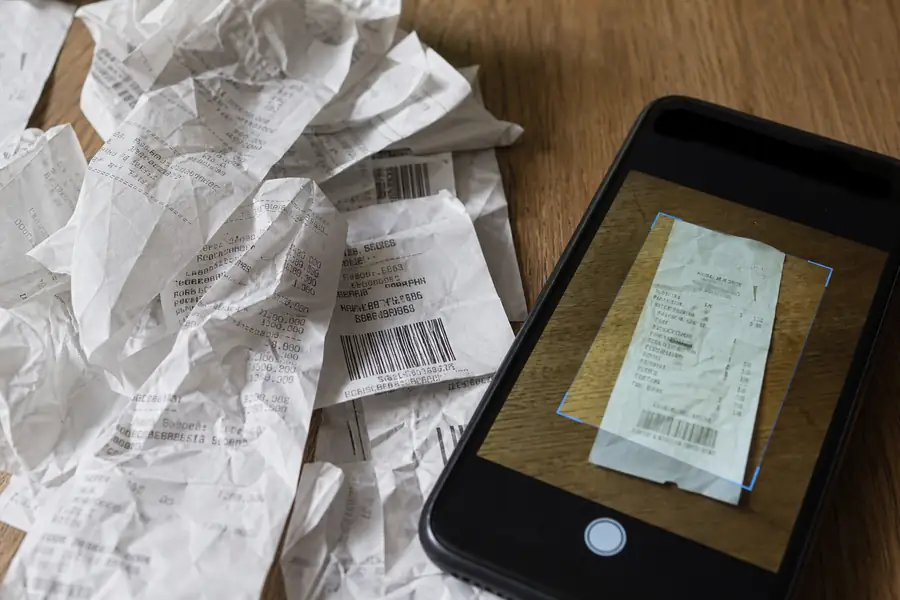
Field crews rarely think about any of this in the moment. A foreman grabbing supplies at a home improvement store just wants the transaction done, and plenty of point-of-sale systems only print a card slip unless itemization gets requested. Our guide on how to keep track of receipts covers the habits that prevent this from becoming a monthly scramble.
Itemized Receipt vs. Non-Itemized Receipt
An itemized receipt and a card slip look similar at a glance, but only one of them holds up in an audit.
| Attribute | Itemized Receipt | Card Slip / Summary Receipt |
|---|---|---|
| Line items | Listed individually | Not shown |
| Tax breakdown | Shown per transaction | Often missing |
| Vendor and date | Always included | Usually included |
| Passes audit / matching | Yes | Usually rejected |
| GL coding accuracy | Splits cleanly by line item | Forces one lump code |
| Common source | Store receipt, itemized invoice | Gas pump, card-only terminal |
A non-itemized receipt is not necessarily fraudulent. It is just incomplete for accounting purposes, and incomplete records are exactly what auditors flag first.
How Field Teams Can Get an Itemized Receipt Every Time
The easiest way to get an itemized receipt every time is to ask for one at the point of purchase and capture it immediately, before it gets lost, faded, or thrown out.
- Ask for the itemized copy: request it separately if the terminal only prints a card-total slip.
- Capture it the same day: thermal receipts fade fast, sometimes within days.
- Code it while it's fresh: attach the job or project before the details slip your mind.
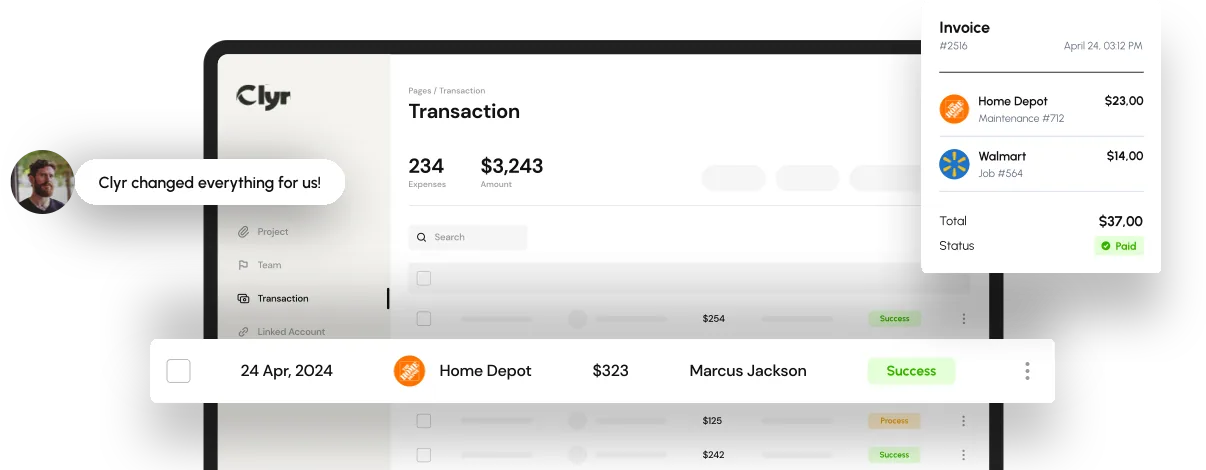
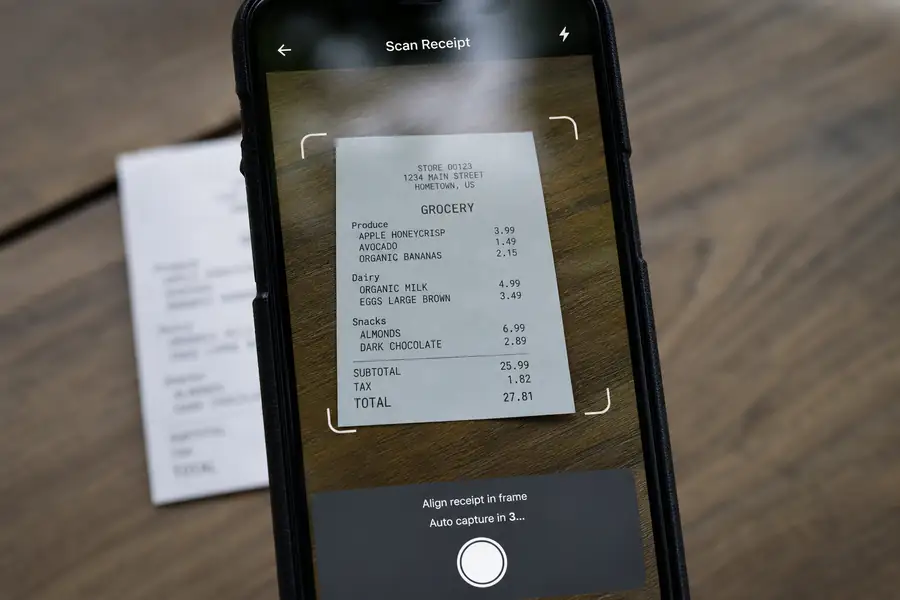
Teams that buy materials on job sites all day cannot rely on remembering to save paper. Clyr's real-time receipt capture and coding lets a crew member snap a photo of an itemized receipt the moment they get it, and the purchase syncs to the right job and GL code automatically, instead of showing up as a mystery charge three weeks later.
That data then flows into accounting through Clyr's QuickBooks integration, so the itemized detail is already coded and reconciled by the time the books close, instead of getting keyed in twice.
For a construction crew buying rebar, fasteners, and rental equipment from three different stores in a day, that split matters. Each item needs to land in the right job cost bucket, and that only works if the receipt was itemized in the first place. Clyr's page on expense management for construction covers how job costing and receipt capture work together for crews like this.
Common Mistakes That Get Itemized Receipts Rejected
Most itemized receipt rejections come down to the same handful of preventable mistakes.
- Submitting the card slip instead of the itemized copy: many terminals print a total-only slip unless itemization is requested separately.
- Waiting too long to capture it: thermal paper fades within weeks, sometimes days, leaving an unreadable record.
- Missing the tax line: reviewers can't verify the total without it.
- One receipt covering multiple jobs: mixing costs from different projects on a single itemized receipt without noting the split.
Teams that want to see this kind of automatic capture and coding in action can book a demo of Clyr's receipt capture tools.
FAQs
What is an itemized receipt?
An itemized receipt is a purchase record that lists each individual product or service bought, with its own description, quantity, and price, plus the vendor name, date, tax, and total. It differs from a summary or card-only receipt, which shows just the final amount charged.
Is a credit card receipt the same as an itemized receipt?
No. A credit card receipt, or card slip, usually shows only the merchant name, date, and total charged, with no breakdown of what was purchased. An itemized receipt lists each line item separately, which is what accounting and audit reviews actually require.
Do I need an itemized receipt for every business expense?
Many company expense policies require itemization on every purchase regardless of amount, even though tax rules are sometimes more lenient below a set dollar threshold. Check your own reimbursement policy, since it can be stricter than any minimum documentation rule.
Can a photo of a receipt count as an itemized receipt?
Yes, as long as the photo is legible and clearly shows the vendor, date, line items, tax, and total. This is exactly how mobile receipt capture tools work: a crew member photographs the paper receipt right after the purchase, before it fades or gets lost.
What happens if I submit a non-itemized receipt for reimbursement?
A non-itemized receipt usually gets kicked back for more detail, which delays reimbursement and slows down month-end close. In an audit, it can also mean the expense gets disallowed entirely, since there is no record of what was actually purchased.