After spending years observing finance teams struggle with manual accounts payable processes, I’ve noticed a recurring pattern: organizations recognize the need to automate, but they’re often overwhelmed by vendor options and conflicting advice.
The AP automation market has matured dramatically, yet most companies are still settling for partial solutions when complete automation is finally within reach.
Let me be direct about what I’ve observed: the difference between companies that achieve transformational results and those that see marginal improvements comes down to one critical decision, choosing complete automation over incremental digitization.
If you’re evaluating AP automation solutions in 2025, this distinction will determine whether you’re still chasing receipts next year or focusing on strategic financial analysis.
Why Most AP Automation Implementations Fall Short
Here’s what vendors won’t tell you upfront: most “automated” AP solutions still require significant manual intervention.
I’ve watched finance teams implement well-known platforms only to discover they’re still manually coding 40% of invoices, chasing approvals, and reconciling payment discrepancies.
The problem isn’t the technology, it’s how vendors define “automation.” Many solutions excel at digitizing your existing manual processes but stop short of eliminating them entirely. You end up with faster manual processes, not automated ones.
What true automation looks like:
- Invoices flow from receipt to payment without human touchpoints
- Coding happens automatically based on vendor patterns and historical data
- Approvals route intelligently based on amount, department, and vendor type
- Payments execute according to optimal timing for cash flow and discounts
- Exceptions are genuinely exceptional, not routine
If your current evaluation process focuses on features and integrations, you’re asking the wrong questions. Start with this: “How many invoices will still require manual intervention after full implementation?”

The Platform Categories That Actually Matter
Rather than getting lost in vendor marketing, I recommend thinking about AP automation platforms in four distinct categories based on their fundamental approach:
Legacy Enterprise Suites
SAP Ariba and Coupa dominate this space for good reason; they handle complex, multi-entity organizations with sophisticated requirements. If you’re a Fortune 500 company with extensive customization needs, these platforms deliver comprehensive capabilities.
My recommendation: Consider these options only if you have dedicated IT resources and can commit 6-12 months to implementation. The power comes with complexity that smaller organizations often find overwhelming.
Workflow-Focused Solutions
Platforms like Basware and MineralTree excel at enhancing your existing processes through improved workflow management and optimized payment processes. They’re particularly strong for organizations that want to maintain current processes while adding digital capabilities.
My recommendation: Choose these if your current AP processes work well but need efficiency improvements. However, don’t expect transformational change; you’ll get better manual processes, not automated ones.
SMB-Oriented Platforms
Bill.com and similar solutions target small to mid-sized businesses with straightforward approval workflows. They prioritize ease of use and quick implementation over advanced automation capabilities.
My recommendation: Solid choice for companies with simple AP requirements, but scalability becomes an issue as you grow. Manufacturing-specific expense management solutions address more complex operational requirements that generic SMB platforms often miss.
Complete Automation Platforms
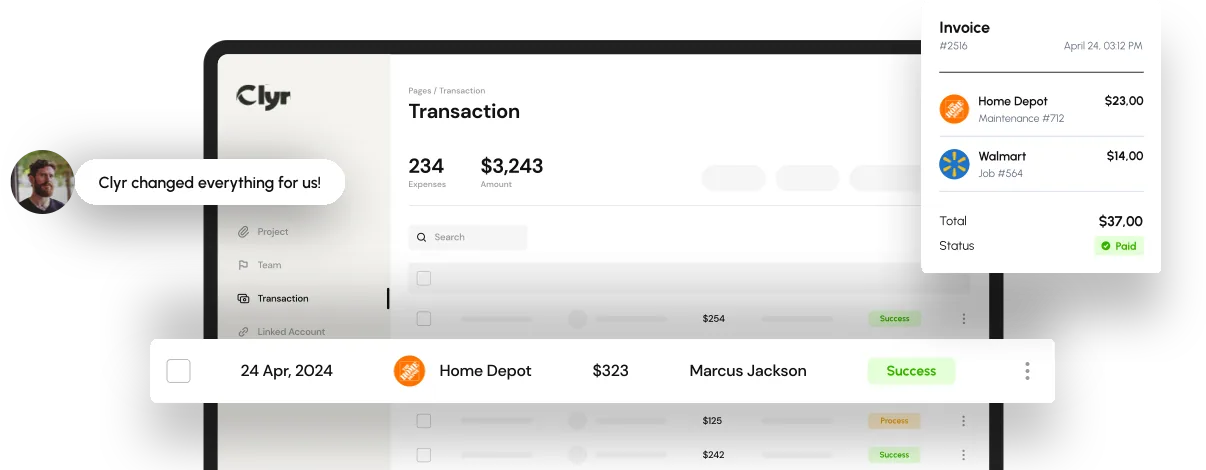
This newer category focuses on eliminating manual touchpoints entirely rather than improving them. Clyr represents this approach, offering genuinely touchless processing from invoice receipt through payment execution.
My recommendation: If you want transformational results rather than incremental improvements, this category deserves serious consideration. The implementation is typically faster and requires less ongoing administration than traditional platforms.
Industry-Specific Considerations I’ve Learned
Every industry has unique AP requirements that generic solutions struggle to address effectively. Here’s what I’ve observed across different sectors:
Healthcare Organizations
Healthcare AP involves complex compliance requirements that most general platforms handle poorly. You need HIPAA-compliant processing, medical coding integration, and patient billing coordination. Specialized expense management for service companies often provides better healthcare-specific capabilities than enterprise platforms designed for manufacturing.
My advice: Don’t assume enterprise platforms automatically handle healthcare requirements well. Ask specifically about compliance features and medical industry experience.
Manufacturing and Distribution
Manufacturing AP is all about three-way matching, purchase orders, receiving documents, and invoices must align perfectly. Most platforms claim to handle this, but implementation complexity varies dramatically.
My advice: Test the platform with your actual PO formats and receiving processes during evaluation. What works in demos often breaks down with real-world manufacturing workflows.
Professional Services Firms
Service businesses need expense allocation to specific projects and clients, often with complex billing requirements. Real-time receipt capture and coding capabilities become essential when team members work across multiple client projects simultaneously.
My advice: Prioritize platforms that integrate deeply with your project management and time tracking systems. Standalone AP automation creates more problems than it solves for service businesses.
Construction Companies
Construction involves capturing field-based expenses, project-specific budgeting, and coordinating complex subcontractor payments. Construction expense management requires platforms that understand job costing and can handle expenses from remote job sites effectively.
My advice: Mobile capabilities aren’t optional for construction, they’re essential. Evaluate how well the platform performs when your team is on job sites with unreliable internet.
Property Management
Property managers deal with utility bills, maintenance expenses, and tenant-related costs across multiple properties. Utility bill management becomes particularly complex when managing dozens or hundreds of properties with different billing cycles and payment requirements.
My advice: Look for platforms that can automatically allocate expenses to specific properties and generate property-specific financial reports without manual intervention.

What I’d Evaluate First
After watching numerous implementations, both successful and problematic, I’ve developed a practical evaluation framework that focuses on what actually determines success:
Implementation Complexity
Ask vendors for realistic implementation timelines and resource requirements. Comprehensive selection guidelines help you understand what questions to ask, but my simple test is this: if implementation takes longer than three months, question whether the platform is truly designed for efficiency.
Red flag: Vendors who can’t give you specific implementation timelines or require extensive discovery before providing estimates.
True Automation Percentage
Don’t accept vague claims about “high automation rates.” Ask for specific percentages of invoices that will process without human intervention in your environment, not their best-case customer scenario.
My benchmark: Anything below 85% touchless processing means you’re buying a workflow tool, not an automation platform.
Mobile Capabilities
Your team needs to approve invoices, check payment status, and manage exceptions from anywhere. Platforms that require desktop access for key functions will create bottlenecks as your organization becomes more distributed.
Test this: During evaluation, complete typical AP tasks using only mobile devices. If it’s frustrating or limited, it will be worse after implementation.
Integration Depth
Surface-level integrations that require manual data export/import defeat the purpose of automation. You need platforms that sync data bidirectionally with your existing systems in real-time.
Verify this: Ask for demonstrations using your actual accounting software, not generic examples.
Common Mistakes That Cost Time and Money
I’ve seen organizations make predictable mistakes that could be easily avoided with proper planning:
Choosing Based on Features Rather Than Outcomes
The platform with the longest feature list isn’t necessarily the best choice. Focus on platforms that deliver the specific outcomes you need rather than comprehensive functionality you’ll never use.
Underestimating Change Management
Modern expense management solutions transform how your team works daily. Plan for training, process changes, and initial resistance. The technology is rarely the limiting factor; people and processes are.
Ignoring Data Quality
Automation amplifies existing data problems. Clean up vendor master data, standardize GL codes, and establish clear approval hierarchies before implementation, not during.
Assuming One Size Fits All
Your organization has unique requirements that generic implementations won’t address. Ensure your chosen platform can adapt to your specific workflows rather than forcing you to change established processes.
The Technologies That Actually Matter in 2025
Beyond basic invoice processing, several technological capabilities separate leading platforms from the rest:
AI That Learns Your Business
AI expense management solutions should adapt to your specific vendor relationships, coding patterns, and approval workflows. A generic AI that applies the same rules to every customer provides limited value.
What to look for: Platforms that become more accurate over time as they process your invoices, not just faster at applying static rules.
Predictive Analytics
The best platforms predict cash flow impacts, identify optimal payment timing, and flag potential issues before they become problems. This moves beyond processing efficiency to strategic financial management.
Mobile-First Design
Mobile access isn’t an add-on feature, it should be the primary design focus. Your executives, field staff, and remote workers need full functionality from their phones, not simplified mobile versions of desktop software.
My Recommendations for Different Organization Types
Based on what I’ve observed across numerous implementations:
Growing Mid-Market Companies
You need platforms that scale with your growth without requiring complete reimplementation. Efficiency optimization strategies become crucial as invoice volumes increase and manual processes become unsustainable.
My choice: Platforms that offer complete automation with rapid implementation. You don’t have time for complex enterprise solutions, but you need more sophistication than basic SMB tools.
Established Enterprises
You likely need extensive customization and integration capabilities, but don’t assume complexity equals effectiveness. Many enterprises could benefit from simpler, more automated solutions rather than feature-rich platforms that require ongoing management.
My choice: Evaluate both enterprise suites and complete automation platforms. You might be surprised by how much a simpler, more automated approach can accomplish.
Industry-Specific Organizations
Generic platforms rarely handle industry-specific requirements well without significant customization. Look for vendors with deep experience in your sector, not just general AP automation expertise.
My choice: Prioritize industry experience over feature lists. A platform designed for your specific requirements will deliver better results than a more powerful generic solution.
Looking Forward: What’s Coming
The AP automation landscape continues evolving rapidly, with several developments that will impact platform selection:
Conversational Interfaces
AI assistants that can answer complex financial questions and generate custom reports through natural language queries will become standard. Early implementations already demonstrate significant potential for transforming how finance teams interact with their data.
Blockchain Integration
Immutable transaction records and smart contract automation will reduce disputes and enable faster payments, particularly for international transactions and complex payment terms.
Enhanced Mobile Capabilities
Mobile platforms will expand beyond approval workflows to include complete invoice processing and financial analytics, enabling full AP management from mobile devices.
Making the Decision
After evaluating hundreds of AP automation platforms and watching their real-world performance, my advice is straightforward: choose the platform that eliminates the most manual work rather than the one with the most features.
Organizations that achieve transformational results focus on complete automation rather than workflow improvement. They prioritize platforms that adapt to their business rather than forcing the business to change to accommodate the platform.
Most importantly, remember that AP automation isn’t just about processing invoices faster; it’s about freeing your finance team to focus on strategic analysis that drives business growth. The right platform doesn’t just reduce costs; it transforms your finance function’s strategic capabilities.
The technology has matured, the business case is clear, and the competitive advantages are substantial for organizations willing to embrace complete automation. The question isn’t whether to automate, it’s whether you’ll choose partial solutions that provide incremental improvements or complete automation that transforms your entire finance operation.
FAQs
Because vendors define automation as digitizing your existing manual process rather than eliminating it. Teams go live and find themselves still coding 40% of invoices by hand, chasing approvals, and reconciling payment discrepancies. The result is faster manual work, not automation.
Invoices move from receipt to payment without human touchpoints, coding happens automatically from vendor patterns and historical data, approvals route by amount, department, and vendor type, payments execute at the timing that suits cash flow and discounts, and exceptions are genuinely rare rather than routine.
Four. Legacy enterprise suites for complex multi-entity organizations with IT resources and a 6 to 12 month runway. Workflow-focused solutions that improve existing processes without transforming them. SMB-oriented platforms built for simple approval flows and quick setup. And complete automation platforms aimed at removing manual touchpoints entirely.
Ask how many invoices will still need manual handling after full implementation, and treat anything below 85% touchless as a workflow tool rather than an automation platform. Then check realistic implementation timelines, complete real AP tasks on mobile during the trial, and require an integration demo using your own accounting software.
Choosing on feature count instead of outcomes, underestimating change management when people and process are the real constraint, ignoring data quality since automation amplifies messy vendor records and inconsistent GL codes, and assuming a generic implementation will fit requirements that are specific to your business.