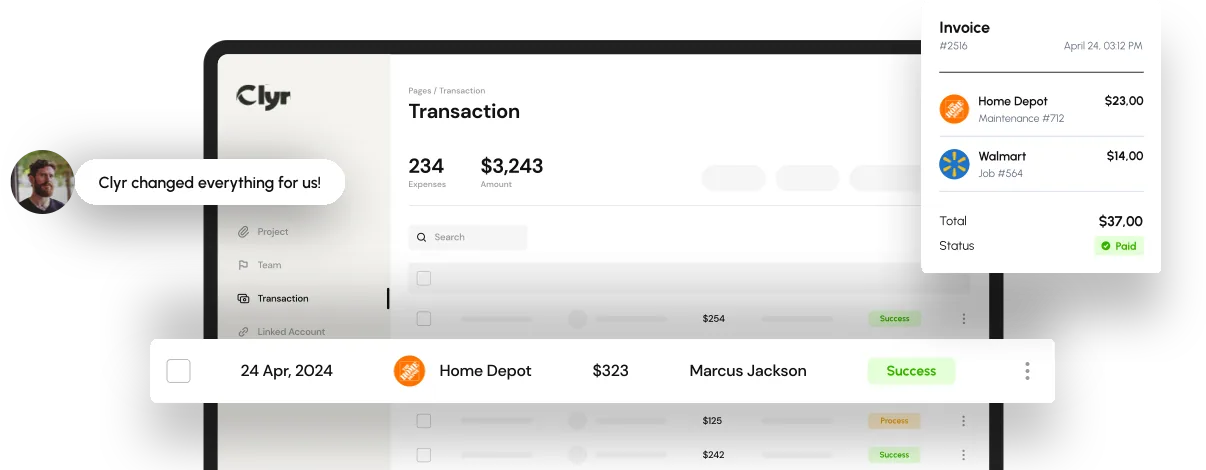

Modern finance teams are under pressure to move faster, reduce errors, and manage increasingly complex vendor relationships. Yet accounts payable (AP) is still one of the last areas in many businesses to undergo digitization. That is why so many organizations are asking what is AP automation, how it works, and whether it can truly replace the hours spent pushing paper, chasing approvals, and manually entering invoice data.
AP automation refers to the technology, workflows, and intelligent systems that remove repetitive manual tasks from the accounts payable process. Instead of processing invoices one by one, automation captures invoice data instantly, applies coding, routes documents for approval, and manages vendor payments saving companies time, money, and administrative stress.
This article dives deep into what is AP automation, why it has become a financial game-changer, and what advantages businesses gain when upgrading from traditional AP workflows to automated, AI-powered systems like the ones seen in modern platforms such as Clyr’s accounts payable automation features.
Key Takeaways
- AP automation replaces manual invoice processing with intelligent, digital workflows, making accounts payable faster, more accurate, and far more efficient.
- Companies asking what is AP automation are typically looking to reduce errors, eliminate repetitive tasks, and gain real-time visibility into spending and liabilities.
- AP automation software uses AI, OCR, and rule-based approvals to capture invoices, apply coding automatically, and route them to the right people for approval.
- Automated systems dramatically reduce processing costs, often cutting AP labor hours by 50-80%.
- Businesses benefit from fewer mistakes, better compliance, stronger internal controls, and audit-ready documentation.
- Automated payments ACH, check, or card ensure vendors are paid on time and cash flow is managed strategically.
- Integration is essential: modern platforms sync two-way with ERP, CRM, and accounting systems for accurate financial reporting and real-time data.
- Companies that depend on job costing, multi-vendor operations, or distributed teams see the highest ROI from AP automation.
- Avoiding common pitfalls like outdated approval chains or inconsistent vendor records ensures smooth implementation and long-term success.
- As automation evolves, expect touchless invoice processing, AI-driven decision-making, and deeper system connectivity to become the new standard in finance operations.

What Is AP Automation? A Clear Definition
To understand what is AP automation, it’s useful to picture a typical manual AP process: invoices arrive by email or mail, someone prints or forwards them, data is typed into the accounting system, GL codes are applied, approvals are requested through long email chains, and finally, payments are issued manually through ACH, check, or card.
AP automation replaces every one of those steps with digital workflows.
In simple terms, AP automation is the use of software to capture, code, route, approve, and pay invoices without manual intervention.
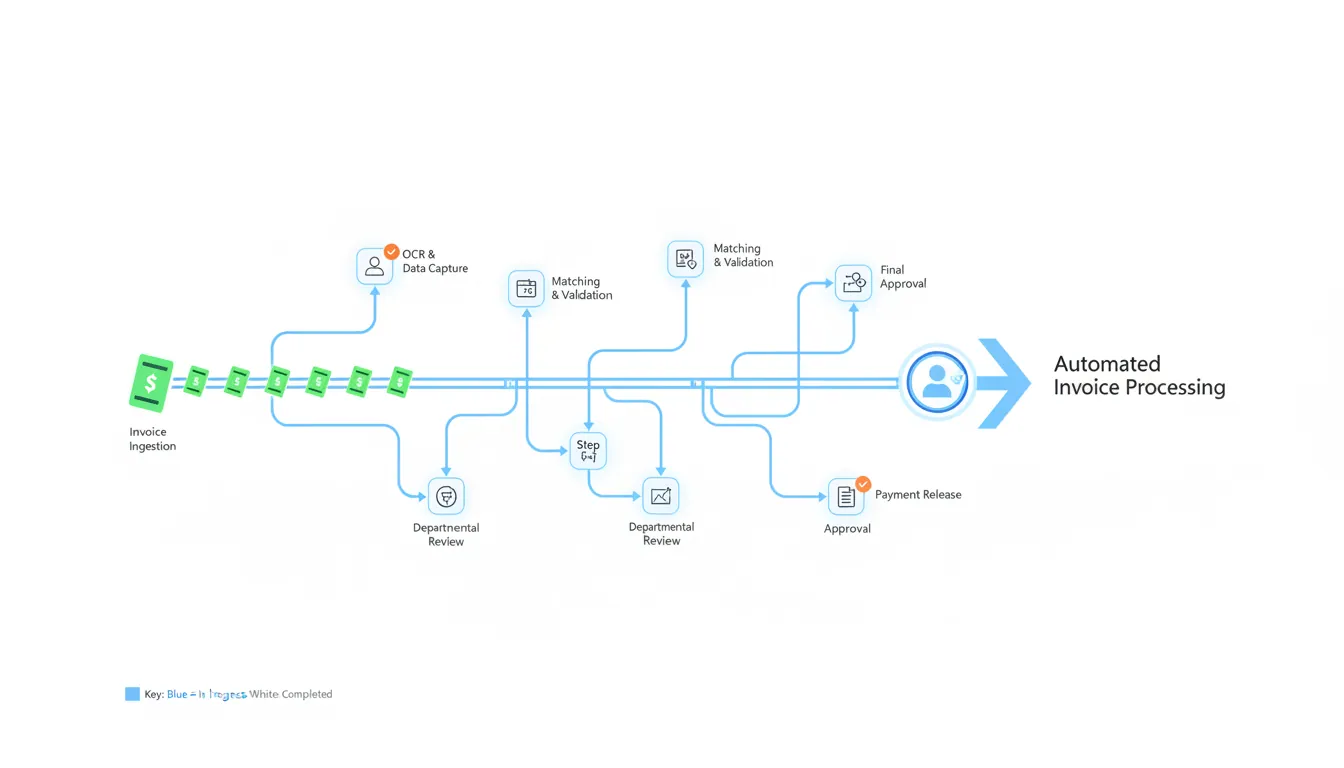
Automation covers the full AP lifecycle:
- Invoice receipt (email, upload, portal, or direct vendor delivery)
- OCR/AI capture that pulls all invoice details instantly
- Automatic coding based on learned patterns
- Custom approval routing
- Vendor payment automation
- Real-time reporting and audit trails
Instead of “processing invoices,” finance teams monitor and oversee workflows intervening only when needed.
Why Companies Are Asking What Is AP Automation More Than Ever
The shift toward remote teams, multi-vendor operations, and digital billing has made manual accounts payable unsustainable. Understanding what is AP automation has become essential as finance leaders look for ways to scale operations without increasing headcount or sacrificing accuracy.
1. Manual AP Work Is Slow and Expensive
Data entry, matching invoices to transactions, and routing approvals cost businesses hours each week. Automation eliminates these bottlenecks.
2. Errors Lead to Real Financial Loss
A mistyped amount or duplicate invoice can lead to overpayments. Automation dramatically reduces the risk of human error.
3. Vendors Expect Faster Payments
Delayed approvals or misplaced invoices damage relationships. Automated workflows ensure nothing gets stuck in an inbox.
4. Audits and Compliance Require Accurate Records
AP automation automatically creates documented trails with timestamps, approval logs, and payment details.
5. Finance Teams Want Real-Time Visibility
Manual AP makes it hard to know what’s waiting for approval, what’s overdue, or how much cash is committed. Automation provides instant clarity.
These evolving needs explain why searches for what is AP automation are rising across industries from construction to services, manufacturing, property management, and non-profits.
What Is AP Automation Software? A Look at Core Capabilities
Businesses exploring what is ap automation software will quickly see that modern platforms go far beyond digitizing invoices. They create an end-to-end payable process that is accurate, transparent, and integrated with existing financial systems.
Here are the features that define today’s leading AP automation software:
AI-Driven Invoice Capture
Advanced OCR and machine learning read invoices with high accuracy vendor name, invoice number, line items, tax, totals, due dates, job codes, and more.
Automated Coding & Categorization
The system learns your chart of accounts and past coding behavior, then applies the correct GL code, department, job, or category automatically.
Rule-Based Approval Workflows
Invoicing workflows adapt to company policy:
- By department
- By budget
- By amount thresholds
- By vendor category
Automated Vendor Payments
After approval, the system can initiate payments through:
- Next-day ACH
- Check
- Credit card
- Batch payments
Vendor & Utility Bill Handling
Advanced tools even download bills directly from vendor portals, process them, and sync them to ERP or project systems.
Seamless Integrations
Leading systems integrate two-way with ERP, CRM, and accounting platforms, syncing all data without manual entry.
Real-Time Cash Flow Insights
Finance teams can monitor liabilities, payment schedules, and spending patterns instantly.
These capabilities make AP automation software indispensable for any company handling high invoice volume, multiple job sites, or distributed teams.
How AP Automation Transforms Finance Operations
Companies investigating what is AP automation want to understand the measurable benefits. Here’s where automation delivers its biggest wins:
1. Cost Reductions
Automation reduces invoice processing costs by eliminating manual labor, fixing duplicate payments, and lowering administrative overhead.
2. Faster Processing Times
Invoices are processed in hours instead of days, improving on-time payments and vendor satisfaction.
3. Fewer Errors
AI-based coding significantly reduces human mistakes, ensuring greater accuracy in financial reporting.
4. Increased Visibility
Real-time dashboards show all open invoices, pending approvals, and upcoming payments.
5. Seamless Audits
Each invoice comes with a full digital trail approvals, edits, payment details making audits painless.
6. Scalability
Finance teams can handle more invoices without hiring additional staff.
Common Pitfalls to Avoid When Implementing AP Automation
Even with all its advantages, businesses sometimes make predictable mistakes when adopting automation:
Not Updating Approval Rules
Old manual chains don’t always translate well into automatic workflows.
Skipping Vendor Cleanup
Duplicate or outdated vendor records slow down the implementation.
Automating Only Half the Workflow
Digitizing invoices without automating payments creates operational gaps.
Under-training Teams
Clear communication and training ensure fast adoption and fewer errors.
Avoiding these missteps ensures you get the full value of AP automation.
Future Trends Shaping AP Automation
AP automation is evolving quickly, and companies exploring what is AP automation should understand where the industry is heading.
AI-Led Decision Making
Systems will not only process invoices they will recommend payment timing, detect anomalies, and predict cash flow risks.
Touchless Processing
End-to-end automation with zero human interaction for standard invoices.
Deeper Industry-Specific Integrations
Platforms like Clyr already integrate deeply with CRM, ERP, and job costing tools for industries such as construction, services, property management, and manufacturing.
Vendor Self-Service Portals
Vendors will manage their own profiles, W-9s, routing info, and payment preferences.
Stronger Fraud Detection
Machine learning will flag inconsistencies before invoices reach approval.
Summary: Why AP Automation Matters
Understanding what is AP automation helps businesses realize how dramatically financial workflows can improve when manual tasks disappear. Instead of chasing invoices and approvals, finance teams gain time for strategy, analysis, and operational oversight. Automated systems reduce errors, cut costs, and create a more transparent, scalable AP environment. For companies ready to elevate their financial operations, AP automation platforms like the automated AP capabilities within Clyr’s system offer a modern, reliable foundation built for growth.
FAQs
It’s the use of software to process invoices, route approvals, and pay vendors automatically.
By eliminating manual data entry, reducing errors, speeding up approvals, and lowering administrative overhead.
Yes. Automation reduces workload regardless of company size and is especially valuable for small teams.
Modern platforms use encryption, audit trails, and strict access controls to protect financial data.
It digitizes invoices, automates coding, manages approvals, and issues payments while syncing with accounting systems.