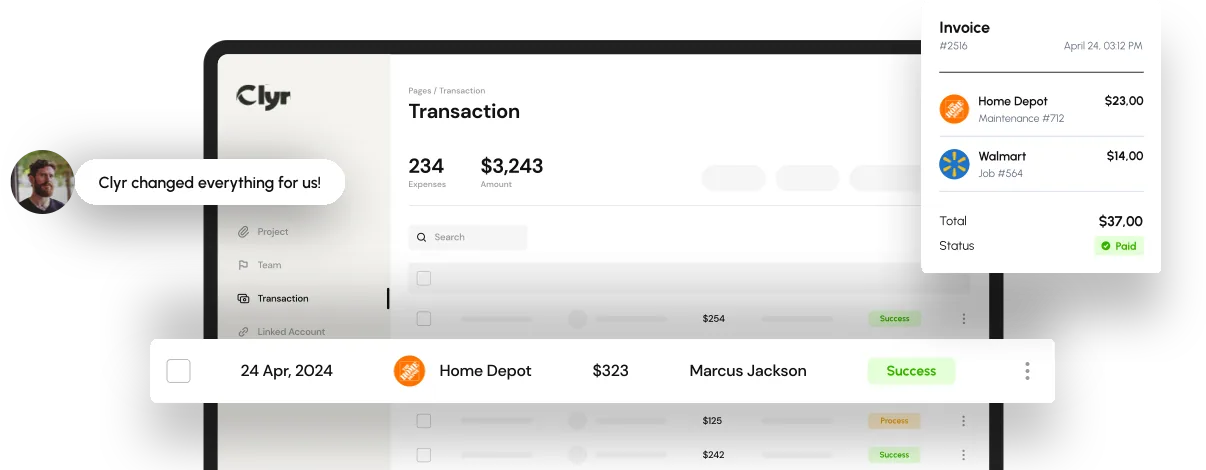

Vendor payments are one of the most time consuming and error-prone parts of financial operations. In many organizations, they still rely on email chains, manual invoice reviews, spreadsheet tracking, and last-minute approvals. As payment volumes grow and vendor networks expand, these manual processes quickly become a bottleneck that affects cash flow, supplier relationships, and internal efficiency.
Understanding how to automate vendor payments is not just about speeding things up. It is about building a reliable system that ensures accuracy, control, visibility, and scalability. This article explains how vendor payment automation actually works, what systems are involved, and how businesses can move from manual processes to a streamlined, automated payment workflow.
Key Takeaways
- Knowing how to automate vendor payments requires redesigning workflows, not just adding software
- Automation improves accuracy, approval control, and cash flow visibility
- Vendor payment automation reduces late payments and supplier friction
- Manufacturing companies benefit especially from structured payment automation
- Successful automation depends on integration, rules, and data consistency

Why Manual Vendor Payments Stop Scaling
Manual vendor payment processes tend to grow organically. A company starts with a small number of vendors, invoices are reviewed by email, approvals happen verbally or in spreadsheets, and payments are issued manually. This works until volume increases.
As more vendors, invoices, and payment methods enter the picture, cracks appear. Invoices get lost. Approvals are delayed. Duplicate payments happen. Finance teams spend more time chasing information than managing cash strategically.
Learning how to automate vendor payments begins with recognizing that manual workflows cannot scale safely or efficiently. Automation replaces these fragile handoffs with structured, trackable processes.
What Vendor Payment Automation Actually Means
Automating vendor payments means creating a system where invoices move from receipt to approval to payment with minimal manual intervention. It does not mean removing human oversight. It means removing repetitive tasks and replacing them with predefined rules and workflows.
A fully automated vendor payment process typically includes:
- Invoice capture and data extraction
- Validation against purchase orders or contracts
- Rule-based approval routing
- Payment scheduling and execution
- Accounting reconciliation and reporting
When these steps are connected, payments become predictable and auditable instead of reactive.
Step 1: Centralizing Invoice Intake
The first step in learning how to automate vendor payments is eliminating scattered invoice intake. Vendors often send invoices by email, upload them to portals, or mail paper copies. Without centralization, tracking becomes impossible.
Automation begins by routing all invoices into a single system. This can include email ingestion, portal uploads, or direct vendor submission. The goal is simple: every invoice enters the same workflow regardless of source.
Once invoices are centralized, the automation process can begin.
Step 2: Automated Invoice Data Extraction
After intake, invoice data must be captured accurately. Manual data entry is slow and error-prone. Automated systems extract key fields such as vendor name, invoice number, amounts, tax, and due date.
Unlike basic scanning, modern automation validates extracted data against vendor records and historical invoices. This reduces mismatches and prevents incorrect payments from entering the workflow.
This step alone saves finance teams hours every week and dramatically reduces rework.
Step 3: Matching and Validation
Validation is critical when automating vendor payments. Invoices must be checked against purchase orders, contracts, or agreed pricing. Automated matching ensures that invoices are legitimate before approval.
If discrepancies appear, the system flags them immediately instead of allowing them to slip through. This prevents overpayments and strengthens internal controls.
Understanding how to automate vendor payments means building validation into the process, not relying on memory or manual checks.
Step 4: Rule-Based Approval Workflows
Approvals are often the slowest part of vendor payments. Automation replaces email approvals with structured workflows.
Rules define who must approve which invoices based on amount, department, vendor type, or category. Once an invoice meets validation criteria, it is automatically routed to the correct approver.
Approvers see all relevant information in one place. No follow-ups. No searching for attachments. Decisions happen faster because the context is clear.
Step 5: Payment Scheduling and Execution
Once approved, automated systems schedule payments based on due dates, cash flow priorities, and payment terms. Payments can be executed via ACH, check, or card depending on vendor preferences.
Automated scheduling ensures invoices are paid on time without manual intervention. It also allows finance teams to manage cash strategically instead of reacting to urgent payment requests.
This is a core benefit of learning how to automate vendor payments properly.
Step 6: Accounting Integration and Reconciliation
Automation does not end with payment execution. Payment data must flow into accounting systems accurately.
Automated vendor payment systems sync approved invoices, payment confirmations, and ledger entries directly into accounting software. This eliminates duplicate entry and reduces reconciliation time during month-end close.
Finance teams gain confidence that the books reflect reality, not outdated spreadsheets.

How to Automate Vendor Payments in Manufacturing
Manufacturing environments introduce additional complexity. Vendors include raw material suppliers, logistics providers, equipment maintenance firms, and utilities. Invoice volume is high, and costs must be allocated accurately.
Understanding how to automate vendor payments in manufacturing requires tight integration with purchasing, inventory, and production systems. Invoices must match purchase orders and delivery records. Costs must be allocated to jobs, batches, or cost centers.
Automation ensures that manufacturing payments remain accurate even as production scales. It also improves supplier trust by reducing payment delays that can disrupt supply chains.
Common Pitfalls to Avoid
One common mistake is automating payments without standardizing vendor data. Inconsistent vendor names or payment terms create errors downstream.
Another pitfall is skipping approval logic. Automation without controls increases risk instead of reducing it.
Finally, some companies automate payments but leave reporting manual. This limits visibility and undermines the value of automation.
Avoiding these mistakes is essential when deciding how to automate vendor payments responsibly.
The Role of Visibility and Reporting
Automated vendor payments generate structured data that can be analyzed in real time. Finance teams can track outstanding liabilities, upcoming payments, and vendor spend trends.
This visibility improves forecasting and strengthens negotiating power with vendors. Automation transforms payment data into insight rather than static records.
Security and Compliance Considerations
Automation improves security when implemented correctly. Role-based access, approval logs, and audit trails reduce fraud risk.
Compliance becomes easier because every action is documented. This is especially important in regulated industries or organizations subject to audits.
Understanding how to automate vendor payments includes planning for security from the start, not treating it as an afterthought.
Scaling Vendor Payments as the Business Grows
As businesses grow, vendor networks expand faster than finance teams. Automation allows payment operations to scale without adding headcount.
This scalability is one of the strongest arguments for automation. It ensures that growth does not introduce chaos into financial operations.
Choosing the Right Automation Approach
Not all automation solutions are equal. Some focus only on invoice capture, while others handle the full payment lifecycle.
The most effective systems integrate invoice management, approvals, payments, and accounting into one workflow. Platforms like Clyr illustrate how vendor payments can be automated end to end while maintaining control and visibility.
How Automation Improves Vendor Relationships
Vendors value predictability. Automated payments reduce disputes and late payments, strengthening relationships.
Clear remittance data and consistent payment timing build trust. Over time, this can lead to better terms and smoother collaboration.
The Future of Vendor Payment Automation
Vendor payment automation is moving toward predictive capabilities. Systems will anticipate cash needs, recommend payment timing, and flag anomalies proactively.
Automation will continue shifting finance teams from execution to strategy, freeing time for higher-value analysis and planning.
How Vendor Payment Automation Comes Together in Practice
Automating vendor payments is not about removing people from the process. It is about designing a system where invoices flow logically, approvals happen efficiently, payments execute on time, and data stays accurate.
When done correctly, automation reduces risk, improves visibility, and creates a foundation for scalable financial operations.
FAQs
Centralizing invoice intake so all vendor invoices enter a single workflow.
Yes. Automation benefits businesses of all sizes by reducing errors and saving time.
No. Automation strengthens controls through rule-based approvals and audit trails.
Implementation typically takes weeks, depending on system complexity and integrations.
When implemented with proper controls, automation improves security and compliance.