
Manual accounts payable (AP) processes have become a significant company bottleneck. Despite their familiarity and long-standing presence, paper-based methods are inefficient. Human error can cause delays, increased costs, and lost trust between suppliers and purchasers. A 2015 Ardent Partners survey found that 48% of respondents cited exceptions as their top AP challenge.
The High Cost of Human Errors
Errors in traditional AP processes necessitate extensive investigation and communication to resolve. This often consumes time and energy, potentially leading to strained supplier relationships.

The Benefits of Automating Accounts Payable
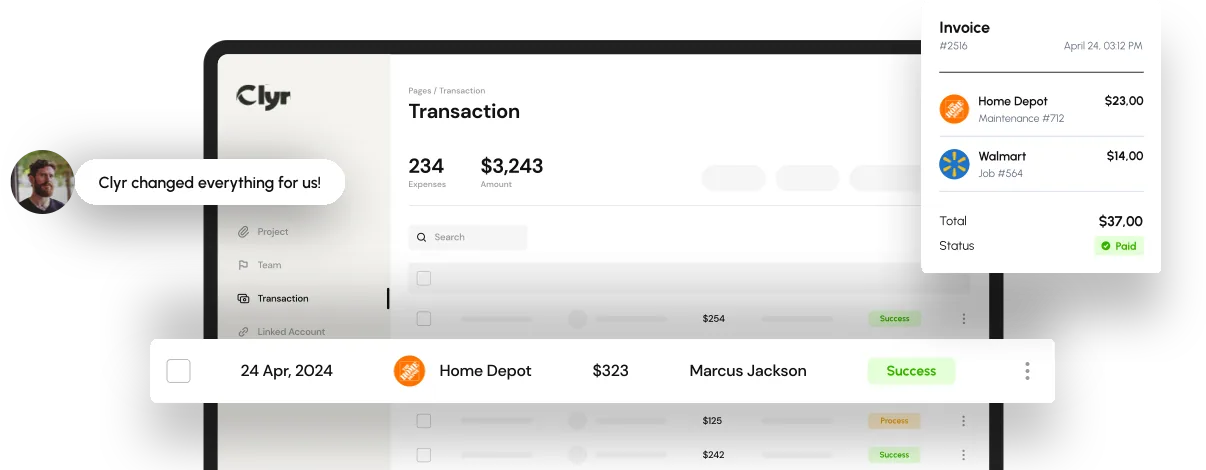
Transitioning from manual to automated AP processes offers numerous advantages. Automation tools like Clyr can streamline operations, reduce errors, and enable employees to focus on more strategic tasks.
Reducing Processing Time
Automated systems expedite the invoice approval and payment process. Eliminating manual steps significantly reduces the time required to process invoices.
Enhancing Data Accuracy
With automation, the likelihood of data entry errors drops substantially. Automated systems use technologies like optical character recognition (OCR) to ensure information is captured accurately.
Improving Workflow Efficiency
Accounts payable automation enables seamless data flow between systems, leading to improved workflow efficiency and better allocation of human resources.
Integration and Compatibility With Existing Systems
Clyr stands out in the crowded field for its ability to integrate with existing cards and accounting platforms without switching to a proprietary solution. This flexibility ensures users can maintain their current benefits and relationships.
Seamless Platform Integration
Clyr integrates with major work management platforms and CRMs, such as Jobber, Buildium, and Guesty. It supports all major accounting platforms, including QuickBooks, Sage Intacct, and Xero.

Real-Time Notifications and Expense Management
Field crews benefit from real-time expense notifications, receipt capture, and categorization. This helps address significant challenges in job costing and expense oversight.
Streamlined Job Costing
Clyr helps companies reduce the risk of revenue loss or missed reimbursements by automating expense capture and categorization. This streamlining saves many hours each month.
Case Study: Efficiency Gains Through Invoice Automation
One client, Hotplate, saw remarkable improvements after adopting automated AP solutions. They increased their payout volume by 7X without adding to their headcount, showcasing the effectiveness of automation tools.
How Automation Improved Hotplate’s Process
Hotplate utilized Clyr to automate their invoice processing and payments. This led to significant efficiency gains and allowed for better resource allocation.
- Increased payout volume by 7X
- Reduced manual data entry
- Improved payment processing times
When to Transition to Automated Accounts Payable
Knowing when to switch from manual to automated AP can be crucial for business growth. Signs that it’s time to make the shift include high error rates, slow payment processing, and overburdened staff.
Indicators for the Right Time
If your team struggles with manual data entry errors, frequent document misplacement, or delayed payments, consider automating your AP processes with a platform like Clyr.
Conclusion: Embrace the Future of Accounts Payable
Automating your accounts payable processes is no longer a luxury but a necessity in today’s fast-paced business environment. Platforms like Clyr offer a seamless transition from manual to automated systems, ensuring improved accuracy, efficiency, and cost savings. By embracing AP automation, companies can focus on strategic growth and leave behind the inefficiencies of traditional methods.

FAQs About Accounts Payables Automation
What is manual AP processing?
Manual AP processing involves tasks like data entry and invoice handling being done by hand, leading to errors and inefficiencies. Automation can help streamline these tasks.
What steps are involved in the accounts payable process?
The AP process includes receiving invoices, verifying them, obtaining approval, and paying vendors. Automation makes these steps faster and less error-prone.
What is the difference between manual and automated AP?
Manual AP requires physical handling and entry of invoices, while automated AP uses technology to streamline these tasks, reducing errors and increasing efficiency.

What benefits does AP automation offer?
AP automation benefits include improved accuracy, cost savings, better resource allocation, and faster payment processing. Platforms like Clyr make this transition seamless.
How does AP automation improve workflows?
By integrating various systems and automating data entry, AP automation improves workflow efficiency, frees up human resources, and enhances overall process visibility.
Take the Next Step with Clyr
Ready to transform your accounts payable process? Explore how Clyr can help your business achieve new levels of efficiency and accuracy. Don’t let outdated methods hold you back - embrace the future with Clyr.