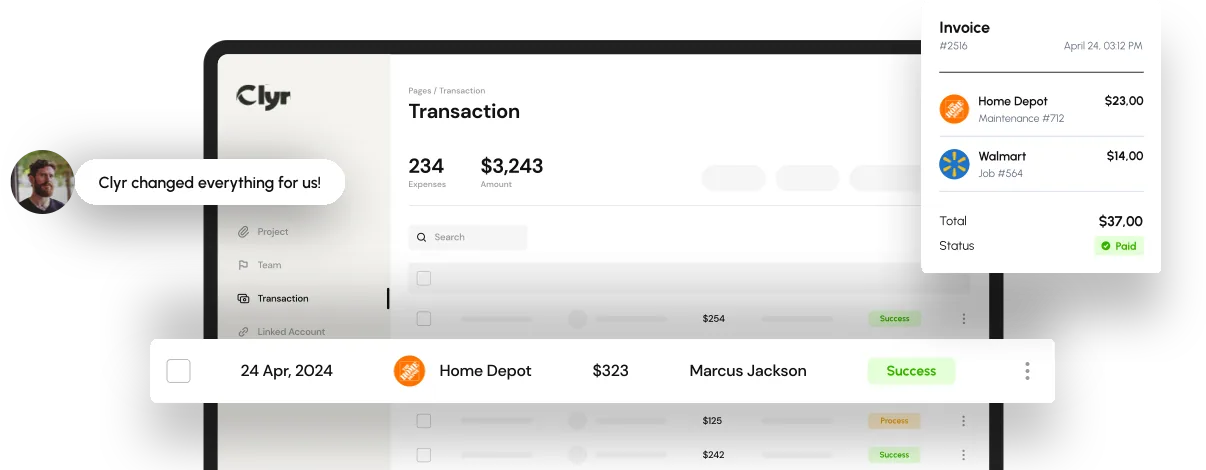

For small businesses, every expense matters. Limited resources, fluctuating cash flow, and unpredictable growth cycles make financial oversight a constant challenge. Yet many entrepreneurs still rely on manual tracking, scattered spreadsheets, and after-the-fact reconciliations. The result? Missed opportunities, hidden leaks, and unnecessary costs that erode profitability.
Spend control - the process of monitoring, managing, and optimizing company expenses - changes that dynamic. By implementing structured financial oversight and automation, small businesses can achieve the same efficiency, visibility, and control as large enterprises, without adding unnecessary complexity.
Spend control isn’t just about reducing costs; it’s about creating financial clarity and confidence - two assets every growing business needs to survive and thrive.
Why Spend Control Matters for Small Businesses
Spend control refers to the systems, policies, and tools used to track, approve, and analyze company expenses in real time. It ensures that every purchase, reimbursement, and vendor payment aligns with the organization’s budget and priorities.
For small businesses, spend control is more than financial hygiene - it’s strategic protection. With limited budgets, even small inefficiencies can have an outsized impact. An overlooked subscription, a late invoice, or a miscategorized expense can distort cash flow and mislead decision-makers.
By putting structured controls in place, business owners gain the visibility needed to make quick, informed decisions and prevent financial surprises.
The Core Benefits of Spend Control for Small Businesses
1. Real-Time Visibility into Cash Flow
Cash flow is the lifeblood of any small business. Unfortunately, many owners only review it at the end of the month - by which time it’s too late to correct course.
Spend control systems provide real-time dashboards that display where money is going and how it aligns with budgets. Business owners can instantly see which departments, projects, or vendors are consuming the most resources.
Platforms like Clyr allow small businesses to categorize every transaction automatically and receive instant notifications when spending spikes. This visibility empowers leaders to make proactive adjustments, such as renegotiating contracts or pausing unnecessary purchases before they impact liquidity.
2. Simplified Budgeting and Forecasting
Budgeting can be daunting for small teams without a dedicated finance department. Spend control tools simplify this by connecting actual expenses directly to budgets and generating automatic variance reports.
Instead of comparing spreadsheets manually, business owners can view budget performance live. If marketing spend exceeds projections or operational costs rise unexpectedly, alerts signal the issue early enough to act.
This precision in forecasting also strengthens relationships with investors and lenders, who increasingly expect accurate financial data and responsible spending practices.
3. Automation That Saves Time and Reduces Errors
For small businesses, time is often as valuable as money. Manual expense tracking wastes both. Collecting receipts, coding transactions, and processing reimbursements can consume hours each week - time that could be spent serving customers or developing new products.
Automated platforms like Clyr eliminate these inefficiencies. Employees can submit receipts via SMS or email, while AI matches each transaction to the correct account and category automatically. The system also sends reminders for missing receipts and performs instant reconciliation, drastically reducing bookkeeping time and human error.
This automation isn’t a luxury; it’s a necessity for small businesses seeking to scale without expanding their administrative overhead.

4. Policy Compliance Without Micromanagement
Small businesses often struggle to enforce spending rules consistently, especially as they grow. With multiple employees using company cards or submitting reimbursements, unapproved expenses can easily slip through.
Spend control platforms introduce automated approval workflows and spending limits that adapt to company policy. Managers can pre-set rules for categories like travel, client meals, or equipment purchases, ensuring all expenses stay within budget without constant manual oversight.
The system flags or blocks out-of-policy transactions before they’re finalized, maintaining compliance while giving employees freedom to operate confidently within set parameters.
5. Faster, More Transparent Reimbursements
Nothing frustrates employees more than waiting weeks to get reimbursed for work expenses. Manual processes delay payments and increase administrative workload.
With spend control systems, reimbursement is instant and traceable. Employees receive updates when submissions are approved, and finance teams can schedule payments automatically.
This transparency builds trust, boosts morale, and strengthens company culture - especially for small teams where personal accountability and satisfaction are critical.
6. Improved Vendor and Bill Management
For small businesses, managing vendors and bills efficiently is vital to maintaining good relationships and avoiding costly penalties. Spend control solutions automate the entire accounts payable process - from invoice capture to payment.
Bills can be automatically downloaded from vendor portals, coded to the correct categories, and queued for approval. Payment methods such as next-day ACH or credit cards can be customized per vendor, ensuring flexibility and speed.
This level of automation prevents missed payments, reduces late fees, and improves cash flow forecasting. It also ensures that financial records remain accurate and audit-ready at all times.
7. Enhanced Decision-Making Through Data Insights
Small business leaders make decisions every day - from hiring to marketing investments - and each depends on knowing where money is going.
Modern spend control systems provide detailed analytics that turn raw transaction data into actionable insights. Business owners can analyze spending by category, department, or time period to identify trends and uncover savings opportunities.
For example, a property management company using Clyr can instantly see how much each property costs to maintain, which vendors are overcharging, and where operations can be optimized.
This level of intelligence transforms financial data into a decision-making advantage.
Common Pitfalls for Small Businesses Without Spend Control
Even well-intentioned small businesses often fall into avoidable financial traps when they lack structured spend control. Among the most common are:
- Disorganized tracking: Expenses scattered across cards, spreadsheets, and apps make reconciliation nearly impossible.
- Late reimbursements: Manual systems slow down employee payments and strain morale.
- Budget overruns: Without live monitoring, overspending is discovered only after the fact.
- Duplicate payments: Vendors sometimes get paid twice due to poor record-keeping.
- Fraud risk: A lack of visibility can mask unauthorized transactions or personal charges.
- Missed tax deductions: Lost receipts and miscategorized expenses reduce deductible claims.
Spend control eliminates these risks by consolidating financial processes into a single, automated ecosystem.

The Role of Technology in Democratizing Spend Control
Until recently, advanced expense management was something only large enterprises could afford. Today, cloud-based tools and AI automation have made powerful financial technology accessible to small businesses at a fraction of the cost.
Solutions like Clyr integrate seamlessly with accounting platforms such as QuickBooks or Xero, creating a two-way data flow that keeps records synchronized automatically. Key features include:
- AI-powered receipt scanning and coding with 95% accuracy.
- Instant transaction notifications for every company card.
- Custom rules and approvals that reflect each business’s policies.
- Automatic bill fetching from utility and vendor portals.
- Customizable reporting dashboards for real-time insights.
This technology gives small business owners enterprise-grade control - without needing a full finance team.
Emerging Trends in Spend Control for Small Businesses
The future of spend management lies in predictive intelligence and tighter integration across systems. Several trends are already shaping how small businesses will manage expenses in the coming years:
- Predictive budgeting: AI algorithms forecast upcoming expenses based on historical patterns, helping owners prepare for seasonal or operational shifts.
- Virtual corporate cards: Digital cards with pre-set limits and automatic policy enforcement prevent overspending at the point of purchase.
- Mobile-first management: Expense capture, approvals, and reimbursements happening directly through mobile devices streamline operations for remote and field teams.
- Sustainability tracking: More small businesses are measuring the environmental impact of their spending decisions to align with ESG goals and attract conscious customers.
- Integrated cash-flow ecosystems: Deeper connections between expense management, payroll, and CRM systems ensure a single source of financial truth.
Expert Tips for Implementing Spend Control in a Small Business
- Start simple: Begin by identifying the top five spending categories that most affect your business and implement controls there first.
- Choose automation over manual effort: Automate receipt capture, coding, and approvals to save hours every week.
- Create clear policies: Define who can spend, on what, and how much - and communicate these rules clearly.
- Review spending weekly: Short review cycles allow quicker adjustments and prevent month-end surprises.
- Leverage integrations: Sync your expense tool with accounting software for real-time accuracy.
- Empower employees: Give team members visibility into their budgets and spending to build accountability.
- Analyze trends regularly: Use data insights to identify areas for cost reduction or process improvement.
Conclusion
For small businesses, the difference between stability and struggle often comes down to financial visibility. Spend control provides that visibility - turning daily transactions into strategic insights, preventing waste, and freeing up time for growth.
By embracing automation, real-time monitoring, and AI-driven analytics, small companies can achieve the same operational precision as enterprises - but with the agility that only small businesses possess.
Tools like Clyr make this transformation possible. By automating receipt capture, approvals, reimbursements, and reporting, small businesses can operate more efficiently, stay compliant, and build a stronger financial foundation for future success.
In the end, effective spend control doesn’t just save money - it builds the confidence and control small businesses need to grow sustainably, weather challenges, and seize every new opportunity with clarity and precision.
FAQs
The systems, policies and tools a company uses to track, approve and analyze expenses as they happen, rather than reviewing them weeks later. It covers approval rules, spending limits, receipt capture, coding and the reporting built on top of that data.
Limited budgets leave less room to absorb a mistake. Structured controls give owners the visibility to make quick decisions, catch overspending while it can still be corrected, and produce the accurate financial data that lenders and investors increasingly expect.
Six problems recur: expenses scattered across cards, spreadsheets and apps, late reimbursements that strain morale, budget overruns discovered after the fact, duplicate vendor payments, fraud hidden by poor visibility, and missed tax deductions from lost or miscategorized receipts.
No. Cloud-based tools and AI automation now handle receipt scanning and coding, approval rules, bill fetching from vendor portals and reporting dashboards, which is the work that previously required a dedicated finance department.
With the top five spending categories that most affect the business. Automate receipt capture, coding and approvals there first, define clearly who can spend on what and how much, review spending weekly rather than monthly, and sync the tool with the accounting system.