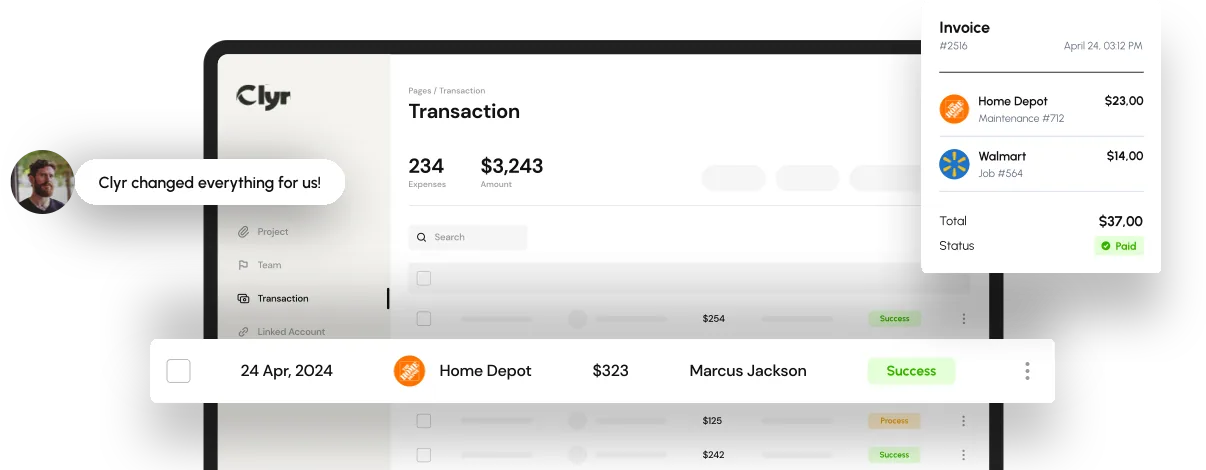

In every growing business, managing expenses goes beyond just tracking receipts and invoices. Without a structured approach, unnecessary costs slip through, budgets overshoot, and profitability takes a hit. That’s where a spend control solution comes in. By combining automation, oversight, and real-time insights, these solutions transform the way organizations handle spending - ensuring every dollar is used wisely.
Key Takeaways
• Spend control solutions prevent overspending with real-time monitoring and automated workflows.
• These tools reduce costs, improve compliance, and give businesses greater visibility.
• Effective spend management combines policies, automation, alerts, and regular reviews.
• Choosing the right solution means prioritizing integration, scalability, and usability.
• Strong spend control helps businesses turn expense management into a strategic advantage.

What Is a Spend Control?
A spend control solution is a set of tools, policies, and technologies designed to help companies monitor, regulate, and optimize spending across departments. Unlike traditional expense tracking, spend control emphasizes prevention rather than correction. Instead of noticing overspending after it happens, businesses can set guardrails that stop wasteful or non-compliant spending before it occurs.
The best solutions integrate with accounting, ERP, or procurement systems, providing visibility into where money goes - whether for employee expenses, vendor payments, travel, or software subscriptions. With real-time data, leaders can make smarter financial decisions and maintain healthy cash flow.
Benefits of Implementing a Spend Control Solution
1. Greater Visibility - A spend control platform centralizes data, giving finance teams clear insights into patterns, categories, and recurring inefficiencies.
2. Cost Reduction - When employees have clear guidelines and automated approval workflows, unnecessary expenses are eliminated. Tools like Clyr automate this process, saving both time and money.
3. Improved Compliance and Control - Built-in policies and audit trails ensure adherence to regulations and reduce risks.
4. Smarter Budgeting - Predictive analytics enable confident budget allocations and forecasts.
5. Employee Empowerment - Employees manage purchases within clear guidelines, improving efficiency without micromanagement.
How to Manage Spend Control in Business
Many organizations ask: how to manage spend control in business effectively? The answer lies in a balance between clear policies, smart technology, and cultural adoption.
1. Define Policies Clearly - Outline expense rules and approval thresholds.
2. Automate Workflows - Reduce delays with automated approval chains.
3. Set Real-Time Alerts - Flag violations instantly before they escalate.
4. Integrate with Accounting Systems - Sync spend control with finance platforms.
5. Review and Optimize Regularly - Continuously analyze and refine policies.
Platforms like Clyr help businesses implement policies with automation, alerts, and integrations that simplify day-to-day expense management.
Choosing the Right Spend Control Solution
When selecting a solution, businesses should look for:
- Ease of Integration: Compatibility with ERP, HR, and procurement systems.
- Scalability: Supports future growth.
- Customization: Adaptable to business needs.
- User-Friendly Interface: Encourages employee adoption.
- Advanced Analytics: Provides insights into vendors, costs, and budgets.
Final Thoughts
In today’s fast-paced environment, businesses can no longer afford to treat spend management as an afterthought. A spend control solution provides the structure and visibility needed to cut costs, stay compliant, and empower employees without sacrificing agility. By combining policy, technology, and culture, companies can turn expense management from a headache into a strategic advantage. That’s why many businesses choose Clyr as their trusted partner in building smarter financial systems.
FAQs Around Spend Control Solution
A spend control solution is a tool or system that helps businesses monitor and regulate company expenses. It provides visibility, enforces policies, and ensures spending stays within budget.
Without spend control, companies risk overspending, policy violations, and cash flow issues. Implementing a structured solution helps reduce costs, improve compliance, and support long-term growth.
Effective management combines clear policies, automated approval workflows, real-time alerts, and integration with accounting systems. Regular reviews and adjustments also ensure ongoing efficiency.
Key factors include easy integration with existing tools, scalability, customizable policies, user-friendly design, and strong analytics for actionable insights.