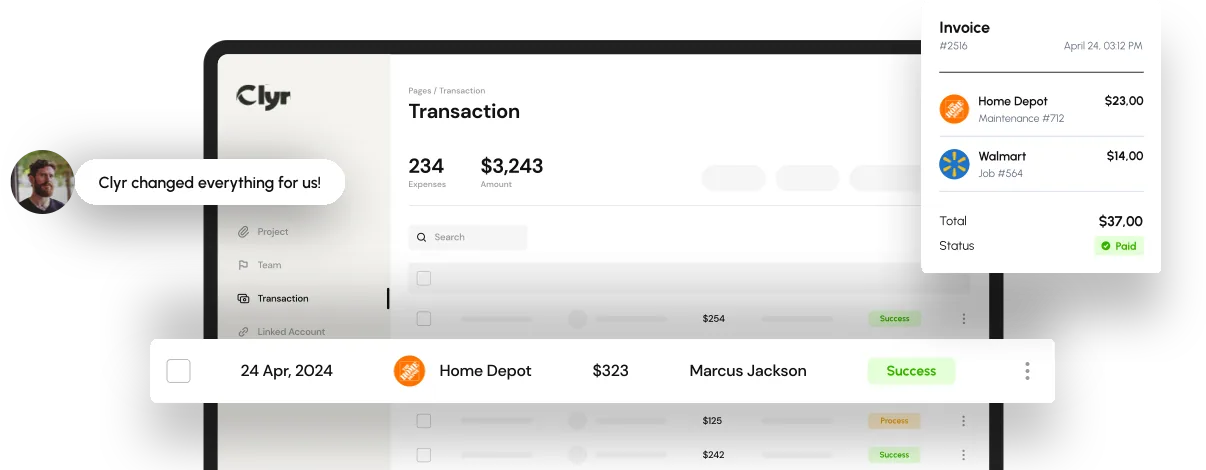

Productivity is crucial in the corporate world, especially within finance. To maximize productivity, businesses must optimize their expenses without compromising quality. Streamlined expense management is vital to achieving this balance. It enables organizations to save time, reduce errors, and boost efficiency.

Embracing Automation for Efficiency
Automation is a cornerstone of modern expense management. Companies can free up valuable resources by automating repetitive tasks such as data entry, expense tracking, and reporting. This reduces human error and allows employees to focus on higher-value activities.
Real-Time Data Analytics: A Game-Changer
Real-time data analytics are fundamental for effective expense management. These tools allow finance professionals to forecast accurately and control expenditures. With insights, companies can make informed decisions, minimize waste, and maximize productivity.
Integrating Seamlessly with Existing Systems
One significant advantage of platforms is their compatibility with existing cards and accounts. Unlike competitors, Clyr integrates smoothly, preserving users’ benefits and relationships with issuers. This flexibility is invaluable for businesses seeking to maintain favorable credit cycles and streamline financial operations.
Implementing a Holistic Expense Management System
A holistic approach to expense management provides a centralized platform to track, monitor, and control expenses. This integration simplifies financial operations, optimizes costs, and enhances productivity’s seamless integration with accounting platforms and CRMs, ensuring a unified system that drives efficiency.
Effective Budgeting and Forecasting
Setting clear financial objectives is essential. Organizations can ensure that each dollar spent contributes to economic productivity by aligning expense management strategies with overarching business goals. Tools support effective budgeting and forecasting, aiding in continuous monitoring and adjustment.

Streamlined Expense Approval Workflows
An efficient expense approval process is crucial for financial productivity. Transparent workflows reduce delays and ensure timely expense authorization. Mobile expense management apps further streamline this process, allowing for real-time approvals and submissions.
Mobile Management on the Go
In a mobile-centric world, managing expenses on the go is indispensable. With online tools, employees can submit expenses, and managers can approve or reject them from their mobile devices, speeding up the entire process and enhancing productivity.
Cost Control and Efficiency
Regular expense audits and effective cost control are fundamental for maximizing financial productivity. By conducting audits, companies can identify potential overspending and discrepancies. Clyr supports detailed auditing and cost reduction strategies, helping firms maintain stringent control over expenses.
Vendor Negotiations and Cost Reduction
Engaging in vendor negotiations and adopting cost-reduction strategies can lead to significant savings. Collaborating with suppliers to find cost-effective solutions is vital.
Employee Training and Engagement
Educating and engaging employees is crucial for effective expense management. Training employees on cost control and expense policies ensures they contribute positively to the organization’s financial health. Incentive programs can further promote a culture of financial responsibility and productivity.

Transparent Reporting and Communication
Transparent expense reporting and efficient communication across departments are essential for maintaining financial productivity. Clyr provides comprehensive reporting tools, ensuring all financial data is accessible and understandable. This transparency helps in making well-informed decisions.
Collaboration Across Departments
Effective communication between finance and other departments can lead to synergistic opportunities for cost savings. Companies can optimize their expense management by aligning finance goals with procurement practices.
Compliance and Risk Management
Compliance with financial regulations and effective risk management are non-negotiable. Ensuring that expense management practices adhere to all rules minimizes risk and potential fines.
Balancing Work-Life for Enhanced Productivity
Maintaining a healthy work-life balance for employees is crucial. Overworking can lead to burnout and reduced productivity. Encouraging flexible schedules and remote work options can enhance employee well-being and productivity. Clyr’s mobile features support a balanced approach to managing expenses.
FAQs
It removes the repetitive work of capturing, coding and routing expenses so finance staff can spend their time on analysis, and it feeds real-time data analytics so decisions are made on current numbers rather than last month's closing figures.
Transparent rules so everyone knows who authorizes what and at which threshold, plus mobile access so approvals happen from a phone in the field rather than waiting for a manager to be back at a desk.
They surface overspending and discrepancies that routine reporting misses. Without that visibility, cost-reduction targets are guesswork; with it, a company knows which categories and vendors to renegotiate first.
A decisive one. Training on cost control and expense policy determines whether the rules are actually followed, and incentive programmes can turn compliance into something a team participates in rather than resists.
Because finance and procurement often pursue the same savings from different directions. Aligning finance objectives with procurement practice turns duplicated effort into one cost-reduction plan and surfaces savings neither team would find alone.