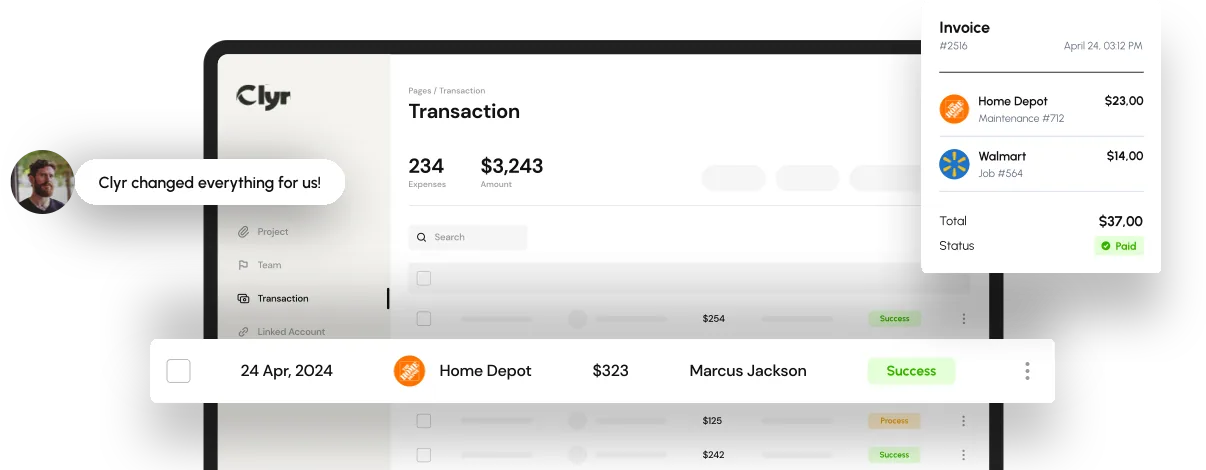

Running a business successfully requires more than just selling products or services-it requires financial discipline. A central part of that discipline is learning how to keep track of business expenses and income. When businesses fail to maintain accurate records, they risk poor cash flow management, missed tax deductions, and difficulty making strategic decisions. With proper systems in place, however, financial oversight becomes an asset that supports growth, efficiency, and profitability.
Why You Need to Keep Track of Business Expenses and Income
The ability to keep track of business expenses and income is not just about compliance with tax regulations-it’s about maintaining clarity and control. Without a reliable record-keeping system, even profitable businesses can collapse under the weight of unexpected costs or poor planning.
Some key benefits include:
- Cash flow stability: Monitoring what comes in and what goes out helps prevent liquidity shortages.
- Tax efficiency: Documented expenses qualify for deductions, lowering taxable income.
- Smarter budgeting: Real data supports more accurate forecasts and financial planning.
- Profitability analysis: Businesses can identify which products, services, or projects are most profitable.
Methods to Keep Track of Business Expenses and Income
1. Manual Methods
Spreadsheets and paper ledgers can work for very small businesses, but they are error-prone and time-consuming. While they provide basic tracking, they are not scalable.
2. Accounting Software
Cloud-based platforms such as QuickBooks or Xero allow businesses to enter, categorize, and report financial transactions. They simplify reconciliation and reporting but often require consistent manual input.
3. Automated Expense Management Systems
Modern solutions, like AI-driven platforms, make it easier to keep track of business expenses and income by automating receipt capture, coding, and integration with bank accounts and credit cards. These systems reduce human error, provide real-time visibility, and save dozens of administrative hours each month.

Best Practices to Keep Track of Business Expenses and Income
Separate Business and Personal Finances
A critical step is opening a dedicated business account and credit card. Mixing personal and business transactions makes it nearly impossible to keep track of business expenses and income accurately.
Categorize Transactions Consistently
Assign every expense and revenue stream to categories such as payroll, utilities, office supplies, or client invoices. This ensures easy reporting and analysis.
Capture Receipts Immediately
Instead of collecting paper receipts in shoeboxes, encourage digital storage. Mobile apps and automated systems allow employees to upload receipts instantly, ensuring nothing gets lost.
Automate Reconciliation
Automation tools can match receipts to bank transactions, saving time and reducing mistakes. Real-time reconciliation makes it easier to keep track of business expenses and income without scrambling at month-end.
Review Reports Regularly
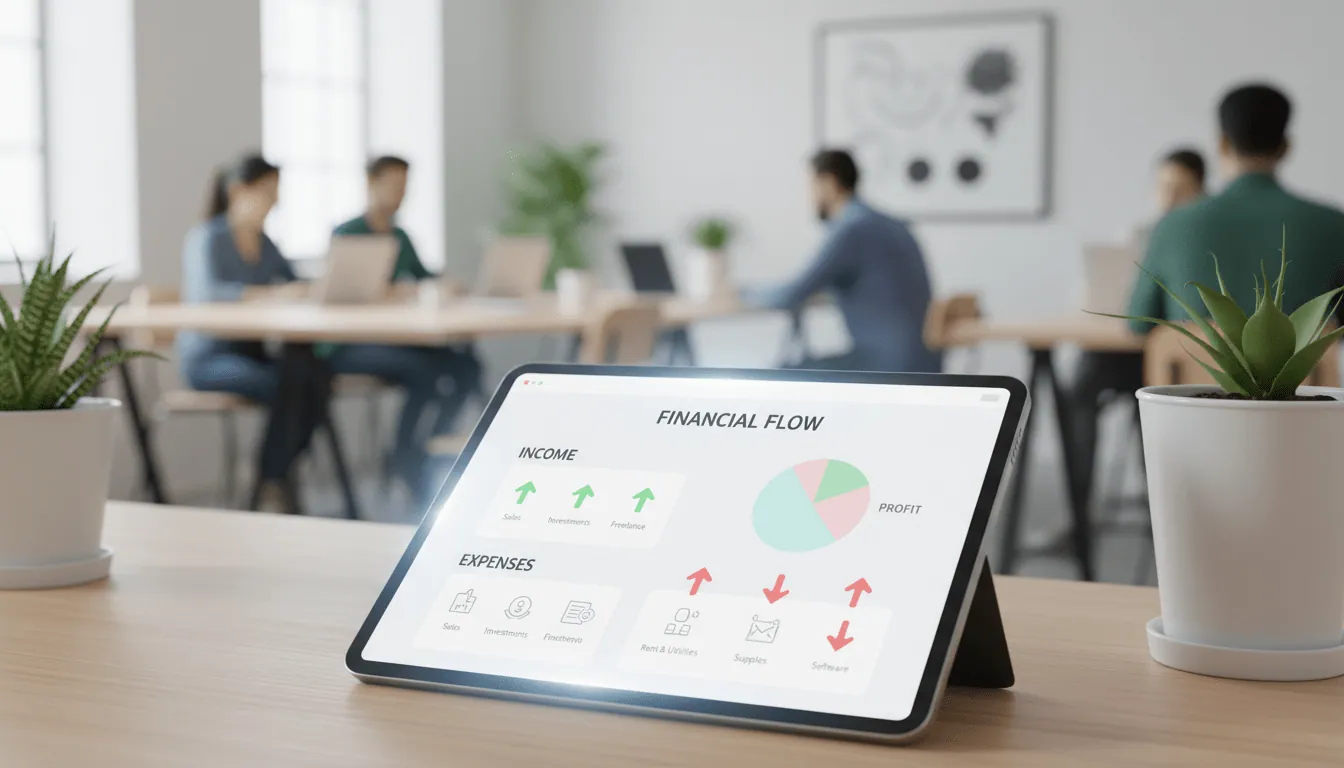
Monthly reviews of profit and loss statements, cash flow, and category spending highlight inefficiencies and keep budgets on track.
Common Mistakes When Trying to Keep Track of Business Expenses and Income
- Waiting until tax season: Scrambling once a year leads to errors and missed opportunities.
- Not backing up records: Digital storage ensures receipts and reports are secure.
- Ignoring small expenses: Minor purchases add up and affect budgets.
- Using tools that don’t integrate: Lack of integration means duplicate work and gaps in reporting.
- Failing to review data: Tracking only works when paired with regular analysis.
How Different Businesses Keep Track of Business Expenses and Income
- Freelancers: May rely on simple spreadsheets but benefit from affordable apps to organize receipts.
- Service Companies: Often use platforms that allow employees to submit receipts remotely for accurate tracking.
- Construction Firms: Need job-costing features to allocate expenses to specific projects.
- Nonprofits: Must align income and expenses with grant requirements and donor expectations.
Each industry has its own challenges, but the goal remains the same: to keep track of business expenses and income in a way that ensures accuracy and compliance.
Future Trends in Tracking Business Finances
The way businesses keep track of business expenses and income is rapidly evolving with technology. Key trends include:
- AI categorization: Machine learning predicts the correct category for expenses.
- Real-time analytics: Dashboards provide instant visibility into financial performance.
- Mobile-first tracking: On-the-go expense capture supports remote teams.
- Proactive alerts: Systems flag unusual spending before it becomes a problem.
- Deeper integration: Unified ecosystems link expense management with payroll, CRM, and ERP systems.
Expert Tips to Better Keep Track of Business Expenses and Income
- Conduct monthly reviews of your cash flow and profitability.
- Automate approval flows to prevent unnecessary spending.
- Train staff on proper expense submission policies.
- Use rule-based systems that ensure compliance with company policies.
- Choose software that can scale as your business grows.
FAQs
- Do I need special software to keep track of business expenses and income?
Not always, but software saves time, reduces errors, and offers professional reporting. - How often should I review my records?
At least monthly, though automation allows for continuous reconciliation. - Can I use personal accounts for business expenses?
It’s not recommended. Dedicated business accounts make it easier to keep track of business expenses and income. - Are digital receipts acceptable?
Yes, most tax authorities accept digital receipts if they’re legible and securely stored. - How does automation help?
Automation matches receipts to transactions, categorizes expenses, and provides reminders, improving accuracy and efficiency.
Conclusion
Learning how to keep track of business expenses and income is one of the most important steps in managing a financially healthy company. From simple spreadsheets to advanced automation tools, the right system depends on your size and needs, but the principle remains constant: accurate records are the backbone of sound decision-making.
Businesses that invest in technology and best practices can reduce errors, save time, and gain real-time insights that fuel growth. By committing to reliable systems today, you’ll build a stronger, more profitable tomorrow.