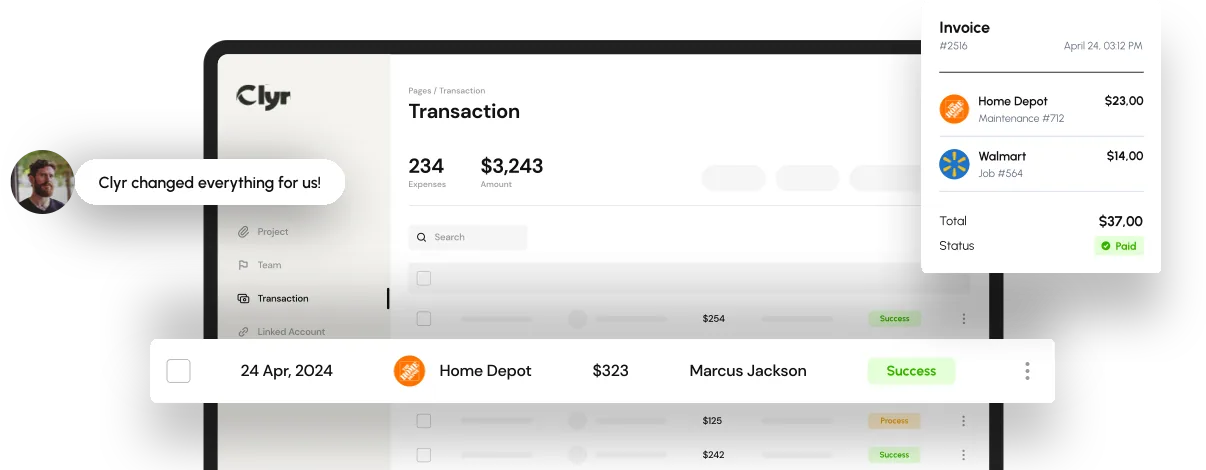

In a world where every transaction leaves a digital trail, finance teams no longer need to drown in paperwork and spreadsheets. AI-powered expense management software has redefined how organizations track, categorize, and control spending - delivering real-time visibility, greater accuracy, and operational efficiency. By replacing manual workflows with intelligent automation, businesses not only save time and money but also gain the strategic insights needed to drive smarter decisions.
Understanding AI-Powered Expense Management Software
At its core, AI-powered expense management software automates the process of tracking, analyzing, and reporting business expenses. Unlike traditional systems that rely on manual entry or rule-based automation, AI-driven platforms leverage machine learning, optical character recognition (OCR), and predictive analytics to understand and categorize expenses with minimal human input.
The software captures receipts, matches them to transactions, and codes each expense to the appropriate category, department, or project-all in real time. Over time, the system “learns” from user behavior, identifying spending patterns and improving accuracy with each transaction.
This combination of automation and intelligence is transforming how finance teams operate, providing a level of efficiency that was previously impossible.
Key Features of AI-Powered Expense Management Software
1. Automated Data Capture and Coding
AI systems use advanced OCR technology to read and extract data from receipts, invoices, and email confirmations instantly. They identify key fields-vendor name, date, amount, tax, and payment method-without manual input. The system then automatically codes each expense according to accounting rules or previous behaviors, reducing human error and administrative workload.
2. Real-Time Expense Tracking
Traditional expense reporting happens after the fact-often weeks later. AI software changes that by providing real-time transaction visibility. Every time a corporate card is used, an alert is sent, and the employee is prompted to upload or confirm the corresponding receipt. Finance teams gain instant oversight of spending across all departments, enabling better cash flow management.
3. Intelligent Policy Enforcement
One of the biggest challenges in expense management is ensuring compliance with corporate policies. AI platforms can automatically flag out-of-policy expenses, duplicate submissions, or unusual patterns. They can even approve or reject claims based on predefined rules, ensuring that only valid expenses are processed-without adding delays.
4. Seamless Integration with Financial Systems
Modern AI-driven platforms integrate effortlessly with popular ERP, CRM, and accounting software such as QuickBooks, Xero, NetSuite, or SAP. This integration ensures a unified flow of financial data, eliminating duplication and enabling accurate reporting. For example, when a transaction is approved in the expense system, it automatically syncs with the accounting ledger-no manual reconciliation required.
5. Predictive Analytics and Insights
Beyond automation, AI systems excel at providing actionable insights. They can analyze spending data to identify trends, forecast future costs, and highlight opportunities for savings. Over time, they can predict which departments are likely to exceed budgets, identify recurring vendor inefficiencies, or suggest optimized expense allocations to improve profitability.

Benefits for Modern Businesses
1. Time and Cost Savings
Automating manual expense workflows dramatically reduces the time employees spend entering data and chasing approvals. Studies show that companies using AI expense tools save up to 75% of the time spent on reporting and reconciliation, while reducing administrative costs by 30-40%. Finance teams can focus on strategy rather than paperwork.
2. Enhanced Accuracy
Manual entry and paper-based processes are prone to errors-misplaced receipts, incorrect coding, or double entries. AI eliminates these risks by processing and verifying data automatically. Each transaction is cross-checked against system records, bank feeds, and historical patterns to ensure accuracy before approval.
3. Improved Compliance and Fraud Prevention
AI systems continuously monitor transactions for anomalies. They detect duplicate receipts, exaggerated claims, and policy breaches that may indicate fraud. Moreover, built-in approval hierarchies and audit trails ensure transparency across the entire process, making compliance effortless and verifiable.
4. Real-Time Financial Visibility
Real-time dashboards allow decision-makers to monitor spending across teams, departments, or projects at any moment. This visibility supports proactive decision-making-companies can reallocate budgets, delay non-essential spending, or identify overspending before it escalates.
5. Employee Satisfaction
Faster reimbursements and simplified reporting processes improve employee morale. With mobile-first submission options like email or SMS receipt uploads, employees spend less time on expense forms and more on productive work.
AI in Action: Real-World Use Cases
Construction and Field Services
In industries like construction, where expenses occur on job sites daily, AI-powered tools simplify receipt capture and job costing. Workers can snap a photo of a receipt, and the system automatically assigns it to the correct project, category, and cost center. The result: accurate, real-time expense reporting that keeps budgets on track.
Professional Services and Consulting
Consultants who travel frequently can benefit from AI-based mileage tracking, per diem calculation, and automatic reimbursements. The system consolidates all expenses for each client project, ensuring accurate billing and faster invoicing cycles.
Property Management and Non-Profits
For property managers or non-profits juggling multiple vendors and accounts, AI tools automate utility bill imports, code expenses by property or grant, and provide transparent audit trails-key for compliance and reporting obligations.
Common Mistakes to Avoid When Implementing AI Expense Management
- Ignoring Policy Configuration:
Companies often overlook customizing approval rules or policy parameters, resulting in incorrect automation. Proper setup ensures the AI system aligns with company policies. - Underestimating Integration Needs:
Failing to integrate with accounting or ERP systems can create data silos. Seamless synchronization between tools is essential for full automation. - Skipping User Training:
While AI handles the heavy lifting, employees still need to understand how to submit, review, and validate expenses properly. - Neglecting Change Management:
Automation represents a workflow shift. To ensure adoption, businesses should communicate benefits clearly and provide adequate support during rollout.
Future Trends in AI-Driven Financial Management
1. Predictive Expense Forecasting
AI will evolve from automation to prediction-forecasting upcoming expenses based on patterns, seasonality, and project behavior. CFOs will be able to anticipate financial pressures before they arise.
2. Conversational Interfaces
Voice-based assistants and chatbots will simplify interaction with expense systems. Employees will soon submit or approve expenses through voice commands or chat, creating a frictionless workflow.
3. Expense Intelligence Platforms
The next generation of tools will unify spend management, accounts payable, and budgeting into a single ecosystem-analyzing financial data across the business to generate recommendations for cost optimization.
4. Enhanced Fraud Detection
Machine learning algorithms will continue to strengthen anomaly detection, identifying fraud attempts even before they’re processed by accounting.
Expert Tips for Selecting the Right AI Expense Management Software
- Prioritize Integration Flexibility - Ensure compatibility with your current ERP, CRM, and payroll systems.
- Evaluate Data Security Measures - Look for encryption, SOC 2 compliance, and role-based access.
- Check Scalability - Choose a platform that can grow with your organization.
- Focus on User Experience - An intuitive interface drives adoption and minimizes training needs.
- Assess Customization Options - Flexible policy rules, approval flows, and reporting features are key for adapting to unique business processes.
The Bottom Line
AI-powered expense management software is more than a digital upgrade-it’s a financial revolution. By blending automation with intelligence, it transforms expense tracking into a strategic tool for growth. Businesses gain speed, precision, and control, while finance teams shift from data entry to decision-making.
As technology continues to evolve, platforms like Clyr are leading the way-leveraging AI to simplify complex financial workflows, eliminate errors, and deliver real-time insights. For companies ready to modernize their financial operations, adopting AI-driven expense management is no longer a luxury-it’s a competitive necessity.
FAQs
It reads receipts and invoices with OCR, matches them to card transactions, codes each expense to the right category or job based on accounting rules and past behavior, applies policy checks, and syncs the approved entry to the accounting ledger without manual reconciliation.
Traditional reporting happens after the fact, often weeks later. With real-time tracking an alert is sent the moment a corporate card is used and the employee is prompted to upload the matching receipt, so finance sees spending across departments as it happens.
Up to 75% of the time normally spent on reporting and reconciliation, and a 30 to 40% reduction in administrative costs, with finance teams redirected from data entry toward strategy.
Four recur: leaving policy and approval rules unconfigured, underestimating integration work and creating data silos, skipping user training, and neglecting change management so adoption stalls after go-live.
Integration flexibility with the ERP, CRM and payroll systems already in use, security measures such as encryption, SOC 2 compliance and role-based access, room to scale, an interface people will actually adopt, and customizable policy rules, approval flows and reporting.